Puppy Guide
Labradoodle vs Goldendoodle: Which Doodle Is Right for You? (2026 Guide)
Jan
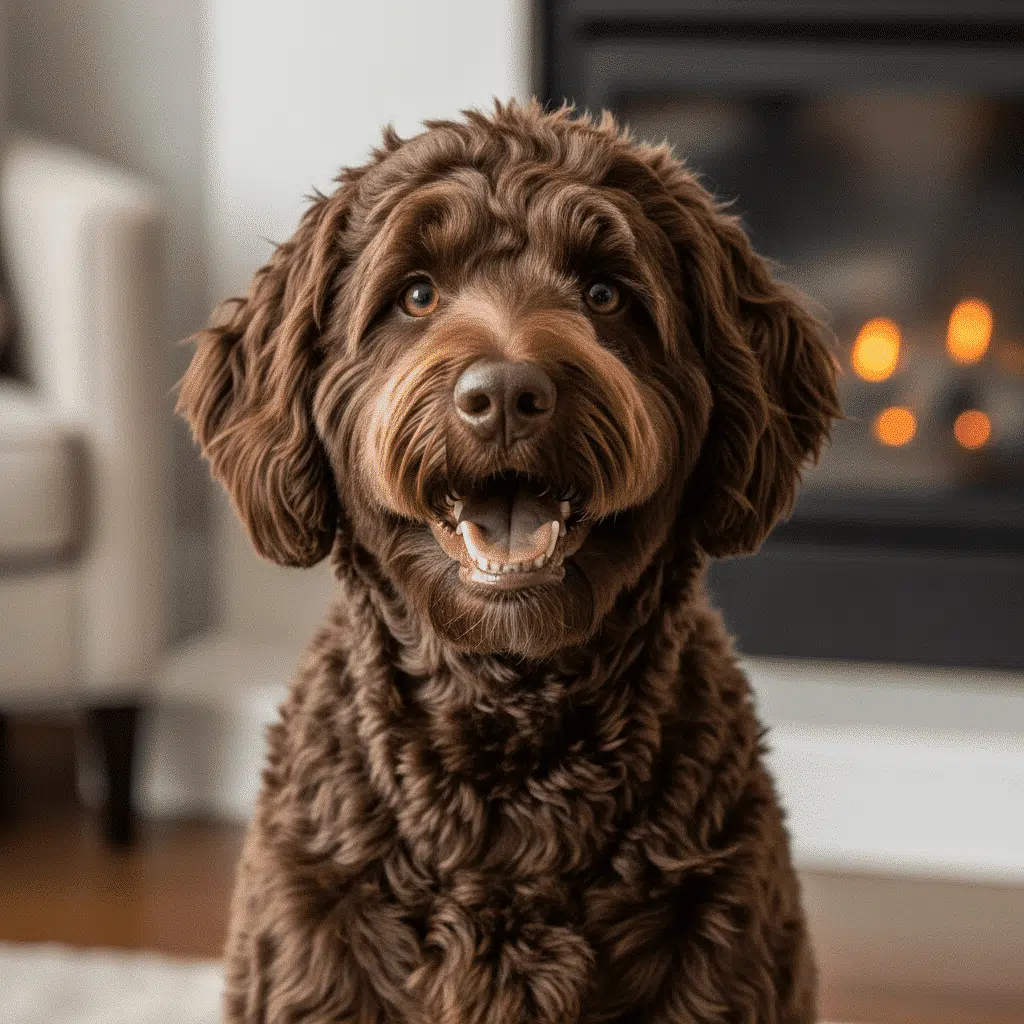
Labradoodle or Goldendoodle? Both breeds have the same curly coats, the same lovable faces, and the same “doodle” in their name. But they’re not the same dog. After grooming hundreds of doodles at our salon, we’ve learned exactly where these two breeds differ—and more importantly, which one might be the better fit for your home.
Here’s the short answer: Labradoodles tend to be slightly more energetic and independent, while Goldendoodles are often more people-focused and eager to please. But that’s just scratching the surface. The right choice depends on your living situation, activity level, and what you actually want from a dog.
The Origin Story: Why It Matters
Both breeds started in the 1990s as attempts to create hypoallergenic guide dogs. The Labradoodle came first—bred in Australia by Wally Conron at the Royal Guide Dogs Association of Australia. He crossed a Standard Poodle with a Labrador Retriever to help a blind woman whose husband was allergic to dogs.
The Goldendoodle followed shortly after in North America, crossing Golden Retrievers with Poodles for similar purposes.
Here’s what this means for you: The parent breeds bring different traits to the table.
- Labrador Retrievers were bred as working dogs—fetching game, swimming, performing tasks. They’re athletic, sometimes stubborn, and bred to solve problems independently.
- Golden Retrievers were bred to work closely with hunters, watching for cues and responding to commands. They’re sensitive, attuned to human emotions, and bred to please.
These differences don’t disappear when you add Poodle to the mix. They carry through.
Temperament: The Real Difference
Labradoodle Personality
Labradoodles inherit the Labrador’s working dog mentality. They’re clever—sometimes too clever. They’ll figure out how to open doors, escape yards, and get into cupboards you thought were secure.
They’re affectionate with their family but tend to be slightly more independent than Goldendoodles. A Labradoodle might greet you enthusiastically when you come home, then wander off to do their own thing. They’re confident dogs who don’t necessarily need constant attention.
What to expect:
- High energy, especially in the first 3-4 years
- Can be mischievous if bored
- Friendly with strangers but not always immediately
- May have a stronger prey drive (watch them around smaller pets)
- Independent problem-solvers
Goldendoodle Personality
Goldendoodles are the “velcro dogs” of the doodle world. They want to be wherever you are, doing whatever you’re doing. This comes from the Golden Retriever’s intense focus on their humans.
They’re typically easier to train because they’re so motivated by praise. Tell a Goldendoodle they’re a good dog and watch their whole body wiggle with joy. They live for approval.
What to expect:
- Extremely affectionate—sometimes to a fault
- Eager to please, making training straightforward
- Friendly with everyone, including strangers
- May develop separation anxiety if left alone too much
- Generally calmer than Labradoodles (though still active)
Which Temperament Suits You?
Choose a Labradoodle if: You want a dog that’s affectionate but not clingy. You can handle some mischief. You want a dog that can entertain themselves occasionally.
Choose a Goldendoodle if: You want maximum affection. You work from home or have someone home often. You want the easiest possible training experience.
Size Variations: Mini, Medium, and Standard
Both breeds come in three sizes, depending on the Poodle parent:
| Size | Labradoodle | Goldendoodle |
|---|---|---|
| Mini/Small | 6-11 kg, 35-40 cm | 7-14 kg, 33-50 cm |
| Medium | 13-20 kg, 43-52 cm | 14-20 kg, 43-52 cm |
| Standard | 23-30 kg, 53-63 cm | 20-40 kg, 50-66 cm |
Goldendoodles tend to have a wider size range, with some standard Goldendoodles getting quite large—up to 40 kg. Standard Labradoodles are usually more predictable in their adult size.
Important: Miniature versions of both breeds can inherit health issues from Mini or Toy Poodle parents. If going mini, find a breeder who health tests thoroughly.
Coat Types and Grooming Needs

This is where things get complicated. Neither breed has a guaranteed coat type. What you get depends on genetics—specifically, how much Poodle they inherited.
The Three Coat Types
Wool/Curly Coat: Most Poodle-like. Tight curls, minimal shedding, most “hypoallergenic.” Requires our professional grooming services every 6-8 weeks without exception. Matting happens fast with this coat.
Fleece Coat: Wavy, soft, flowing. The most popular look. Sheds minimally. Still needs grooming every 6-8 weeks, but slightly more forgiving than wool coats.
Hair/Straight Coat: Most like a Labrador or Golden Retriever. Will shed. Less grooming required but still needs regular grooming brushes and toolsing. Not suitable for allergy sufferers.
Grooming Reality Check
Here’s what we tell every doodle owner: budget for professional grooming every 6-8 weeks, or commit to daily brushing at home. There’s no middle ground.
Doodle coats matt quickly. A matted doodle isn’t just uncomfortable—it’s painful. Mats pull at the skin, trap moisture, and can lead to skin infections. We see too many doodles come in severely matted because their owners underestimated the maintenance.
Essential grooming toolkit:
- Slicker brush (use daily or every other day)
- Metal comb to check for hidden mats
- Detangling spray
- Professional grooming appointment every 6-8 weeks
Labradoodle vs Goldendoodle Coats
Labradoodles—particularly Australian Labradoodles from established breeding programs—tend to have more consistent coats. This is because Australian Labradoodle breeders have been working on coat consistency for decades.
Goldendoodle coats are slightly less predictable, especially in F1 (first generation) crosses. F1B Goldendoodles (75% Poodle) have more reliable curly coats.
Exercise and Activity Needs
Both breeds need daily exercise. They’re not apartment dogs that will be happy with a short walk around the block.
Labradoodle Exercise Needs
Labradoodles typically need 60-90 minutes of exercise daily. They excel at activities like:
- Swimming (many love water, thanks to the Labrador heritage)
- Fetch and retrieve games
- Agility training
- Running or hiking
A Labradoodle that doesn’t get enough exercise will find ways to burn energy—usually destructive ways. Chewed furniture, dug-up gardens, excessive barking. They need physical and mental stimulation.
Goldendoodle Exercise Needs
Goldendoodles need about 45-60 minutes of daily exercise. They’re slightly less intense than Labradoodles and more willing to match your energy level.
They enjoy:
- Long walks
- Gentle play sessions
- Swimming (though not all love water)
- Training activities
Goldendoodles are generally more adaptable to a slightly quieter lifestyle, though they still need daily activity to stay healthy and happy.
Which Breed Suits Your Family?
Families with Young Children
Both breeds are excellent with kids when properly socialised. Goldendoodles have a slight edge here due to their patience and gentler nature. They’re less likely to get overstimulated during chaotic family moments.
Labradoodles can be wonderful family dogs but may be bouncier and more likely to accidentally knock over small children, especially in their first few years.
First-Time Dog Owners
Goldendoodle. Their eagerness to please and forgiving nature makes training more straightforward. Labradoodles require more consistent, experienced handling.
Active Singles or Couples
Either breed works, but Labradoodles are slightly better suited to very active lifestyles. They can handle longer runs, more intense hikes, and higher-energy activities.
Seniors or Less Active Households
Mini Goldendoodle. Their smaller size and calmer temperament make them more manageable. A standard-sized Labradoodle would likely be too much energy for a quieter lifestyle.
Allergy Sufferers
Either breed with a wool or fleece coat. Neither breed is truly hypoallergenic—no dog is. But dogs with curlier, Poodle-like coats produce less dander and shed minimally. Spend time with your chosen puppy before committing to see how your allergies respond.
Australian-Specific Considerations
Climate Suitability
Australia’s climate suits both breeds reasonably well, though there are considerations:
Hot weather: Both breeds can overheat. Their thick coats—especially wool and fleece types—trap heat. In summer, keep exercise to early morning or evening. Provide plenty of shade and water. Many owners opt for shorter summer clips to keep their dogs comfortable.
Swimming: Both breeds often enjoy water, which helps with temperature regulation. The many beaches and dog-friendly swimming spots across Australia are perfect for doodle exercise.
Finding a Reputable Breeder
Australia has excellent Labradoodle breeding programs—after all, the breed originated here. The Australian Labradoodle is actually considered more consistent than American Labradoodles, thanks to decades of careful breeding.
Look for breeders who:
- Health test for hip dysplasia, elbow dysplasia, and eye conditions
- Test for progressive retinal atrophy (PRA) which affects both parent breeds
- Allow you to visit and meet the parent dogs
- Provide health guarantees
- Are registered with relevant breeding associations
Expect to pay: $3,500-$6,000 AUD for a well-bred Labradoodle or Goldendoodle from a reputable Australian breeder. Prices vary by size, coat type, and breeding quality.
Grooming Costs in Australia
Professional grooming for a doodle in Australia typically costs:
- Mini doodles: $80-$120 per session
- Medium doodles: $100-$150 per session
- Standard doodles: $120-$180+ per session
Budget for grooming every 6-8 weeks. Over a year, that’s $600-$1,500+ depending on size. Factor this into your decision—doodles are not low-maintenance dogs.
Health Considerations
Both breeds can inherit health conditions from their parent breeds:
Common in both:
- Hip and elbow dysplasia
- Progressive retinal atrophy (PRA)
- Ear infections (those floppy ears trap moisture)
- Allergies and skin conditions
More common in Goldendoodles:
- Heart conditions (from Golden Retriever heritage)
- Cancer risk (Golden Retrievers have higher cancer rates)
More common in Labradoodles:
- Exercise-induced collapse (from Labrador heritage)
- Weight gain if exercise isn’t managed
A well-bred dog from health-tested parents significantly reduces these risks. Don’t skip the breeder research to save money—vet bills for genetic conditions far exceed the price difference between a backyard breeder and a reputable one.
The Bottom Line
Both Labradoodles and Goldendoodles make wonderful companions. The right choice comes down to your lifestyle:
Choose a Labradoodle if:
- You lead an active lifestyle and can provide 60-90 minutes of daily exercise
- You want a clever, somewhat independent dog
- You have experience with dogs or are committed to training
- You don’t mind a bit of mischief
Choose a Goldendoodle if:
- You want maximum affection and a dog that’s always by your side
- You’re a first-time dog owner
- You have young children
- You want the most trainable option
- Your lifestyle is active but not intensely so
Whichever you choose, commit to the grooming. Book your first professional grooming appointment before you even bring your puppy home. Start brushing from day one. A well-maintained doodle coat is beautiful, comfortable, and healthy. A neglected one becomes a painful, matted mess.
And when you need grooming help? We’re here. Our groomers have worked with hundreds of doodles and know exactly how to keep that coat in perfect condition.
Frequently Asked Questions
Are Labradoodles or Goldendoodles better for allergies?
Neither breed is truly hypoallergenic, but both can work for allergy sufferers when they have curly (wool) or wavy (fleece) coats. The curlier the coat, the less shedding and dander. Spend time with your chosen puppy before committing to see how your allergies respond.
Which breed lives longer?
Both breeds have similar life expectancies of 10-15 years, with smaller sizes typically living longer. Goldendoodles may have a slightly higher cancer risk due to Golden Retriever genetics, but this varies significantly by breeding line.
Can Labradoodles and Goldendoodles live in apartments?
Mini versions of either breed can adapt to apartment living if given adequate daily exercise. Standard sizes need more space. Both breeds need outdoor time regardless of living situation—they’re not low-energy dogs.
How often do doodles need grooming?
Professional grooming every 6-8 weeks is essential for wool and fleece coats. Between appointments, brush at least every other day. Straight-coated doodles need less intensive grooming but still require regular brushing.
Which breed is easier to train?
Goldendoodles are generally considered easier to train due to their strong desire to please. Labradoodles are intelligent but can be more independent-minded, sometimes deciding whether a command is worth following.
Recommended Grooming Tools
Professional-quality tools to keep your dog’s coat looking great at home.