

Dog Care
Winter Wellness: Keeping Your Dog Healthy Through the Cold Months
Jan
Does My Dog Need a Coat?
The “dogs wearing clothes” debate gets surprisingly heated. Some people think it’s unnecessary anthropomorphism. Others can’t imagine their Chihuahua surviving without a fleece.
The truth sits somewhere in between—and it depends entirely on your individual dog.
Dogs That Usually Need Coats
Single-coated breeds with thin fur: Whippets, Greyhounds, Italian Greyhounds, Boxers, Dalmatians, and most terrier types have minimal insulation. If you can easily see or feel their skin through the coat, they’ll feel the cold.
Very small dogs: Chihuahuas, Toy Poodles, Maltese, and Yorkshire Terriers have a high surface-area-to-body-weight ratio. They lose heat faster than larger dogs, simply because of physics.
Lean, low-body-fat breeds: Sight hounds like Whippets and Greyhounds carry almost no body fat. That sleek physique that makes them fast also makes them cold.
Senior dogs: Older dogs often struggle to regulate body temperature efficiently. Even breeds that handled cold fine in their younger years may need a layer now.
Dogs with health conditions: Arthritis, heart disease, diabetes, and hormonal disorders can all affect temperature regulation.
Dogs who’ve been clipped short: If your Poodle or Doodle has just had a close trim, they’ve temporarily lost their natural insulation. A coat helps bridge the gap while the fur grows back.
Dogs That Usually Don’t Need Coats
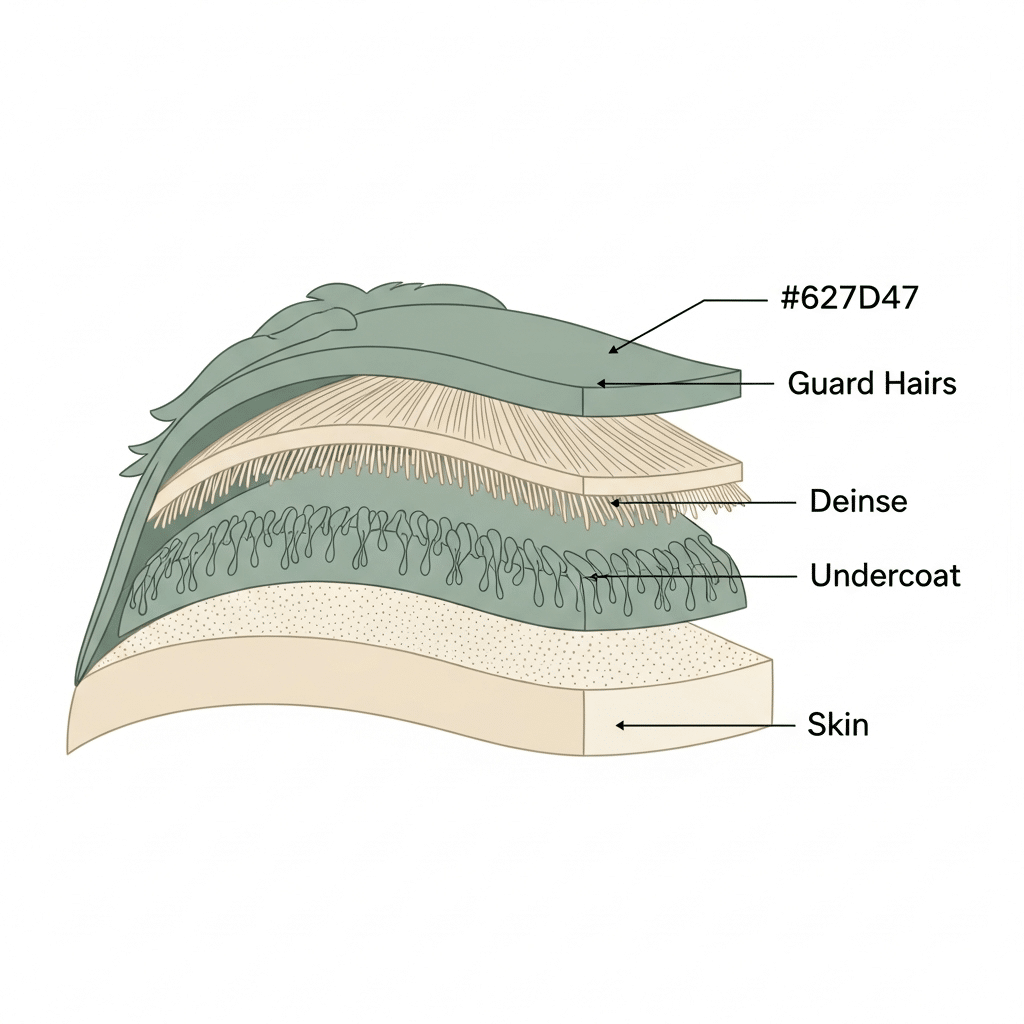
Double-coated breeds: Huskies, Malamutes, Samoyeds, German Shepherds, Golden Retrievers, Border Collies, and Australian Shepherds have built-in insulation designed for cold weather. Their dense undercoat traps warm air against the skin.
Thick-coated breeds: Newfoundlands, Bernese Mountain Dogs, Saint Bernards, and similar breeds are literally built for cold climates. An Australian winter is a relief after summer.
Breeds from cold climates: If the breed originated somewhere with harsh winters (Scandinavia, Siberia, the Swiss Alps), they’re equipped for cold.
How to Tell If Your Dog Is Cold
Watch for these signs:
- Shivering or trembling
- Reluctance to go outside
- Holding up paws
- Seeking warm spots (near heaters, under blankets)
- Hunched posture with tail tucked
- Whining or anxious behaviour
If you’re seeing these signs on winter mornings, your dog needs more warmth—whether that’s a coat for walks, a warmer bed, or both.
Coat Buying Tips
- Measure properly. Most coats are sized by back length (from collar to base of tail). A too-small coat restricts movement; too large and it’ll slip.
- Waterproof for wet weather. If you walk in the rain, get a water-resistant outer layer.
- Easy on and off. Velcro or snap closures are easier to manage than buckles.
- Covers the chest. The chest and belly lose heat fastest. A coat that only covers the back is half a solution.
- Leave room for movement. Your dog should be able to walk, run, and toilet normally.
Adjusting Exercise Routines for Shorter Days
Winter’s biggest exercise challenge isn’t usually the cold—it’s the darkness. When sunrise hits at 7am and sunset comes at 5pm, your normal walking schedule might land you in the dark.
Practical Adjustments
Shift to lunchtime walks. If your schedule allows, midday walks mean the warmest temperatures and the most daylight. For those working from home or with flexible hours, this is the sweet spot.
Morning walks get brighter. Unlike summer, early morning winter walks get progressively lighter as you go. Start in twilight, finish in sunshine.
Gear up for visibility. If you’re walking at dawn or dusk:
- Reflective collar or harness
- LED collar light or clip-on light
- Reflective lead
- High-visibility vest for you
Shorter, more frequent. If your dog doesn’t love the cold, two 15-minute walks might work better than one 30-minute trudge.
Indoor Exercise Options
On miserable, rainy winter days, keep your dog mentally and physically stimulated indoors:
- Puzzle feeders and food-dispensing toys — mental work is tiring work
- Hide and seek — hide healthy dog treatss or toys around the house
- Indoor training sessions — perfect time to work on new tricks
- Tug of war — good physical outlet in a small space
- Stair climbing — if you have stairs, going up and down burns energy
- Play dates — invite a friend’s dog over for indoor wrestling
The goal isn’t to replicate outdoor exercise intensity—it’s to prevent boredom and burn enough energy that your dog stays calm and content.
Cold Weather Cautions
Most Australian dogs handle winter walks fine, but watch for:
Wet and cold is worse than dry and cold. A damp dog loses body heat rapidly. If it’s been raining, consider drying your dog thoroughly when you get home, or skipping the walk entirely.
Ice and frost. While rare in most of Australia, inland and southern regions do see frosty mornings. Ice can be slippery and cold on paws.
Don’t skip exercise entirely. It’s tempting to hibernate, but regular movement is even more important in winter to prevent weight gain and keep joints mobile.
Nutrition Changes in Winter
Does your dog need to eat more—or less—in winter? The answer is frustratingly individual.
Dogs Who May Need More Calories
Active outdoor dogs who spend significant time in the cold burn more energy maintaining body temperature. Working dogs, farm dogs, and dogs who live primarily outdoors may need 10-20% more food in winter.
Thin-coated dogs without adequate protection will burn calories to stay warm.
Very active dogs who maintain their exercise routine through winter may need to maintain or slightly increase intake.
Dogs Who May Need Fewer Calories
Less active dogs are the majority. If your daily walks have shortened and your dog is spending more time on the couch, their calorie needs decrease. Keep feeding the same amount, and you’ll have a pudgy pup by spring.
Indoor dogs in climate-controlled homes aren’t working to maintain body temperature. Their energy needs don’t increase.
Dogs getting more treats. Winter often means more time indoors, more training sessions, and more treat-based boredom busters. Those calories add up.
Practical Nutrition Tips
- Weigh your dog monthly through winter. Weight creep happens gradually.
- Adjust food portions based on activity level, not just calendar season.
- Keep fresh water available. Dogs often drink less in winter because they’re less thirsty, but hydration still matters.
- Consider warming food slightly. Some dogs prefer their meals at room temperature rather than straight from the fridge.
- Joint health supplementss become more important for dogs prone to stiffness (see arthritis section below).
Skin and Coat Care: Preventing Dry, Flaky Skin
Winter is prime season for itchy, flaky dogs. The culprits: indoor heating, lower humidity, and less frequent bathing. By August, we see plenty of dogs come through the salon with dry, dull coats and irritated skin.
Why Winter Affects Skin
Indoor heating strips moisture from the air—and from your dog’s skin. Central heating can drop indoor humidity to 20-30%, well below the 40-60% that’s comfortable for skin health.
Add in cold outdoor air (also dry) and reduced natural oils from fewer baths, and you’ve got a recipe for flakiness.
Prevention Strategies
Maintain regular grooming brushes and toolsing. Brushing distributes natural oils through the coat and removes dead skin cells. For dogs with undercoats, this is also when they’re shedding summer coat to grow denser winter fur—keeping on top of brushing prevents matting. If you need a refresher on proper brushing technique, our deshedding guide covers the essentials.
Don’t over-bathe. Winter means less outdoor mess for most dogs. Cut back on baths to preserve natural skin oils. Once a month is plenty for most dogs; some can go longer.
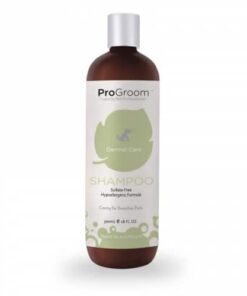
Use a moisturising dog shampoos. When you do bathe, choose an oatmeal-based or moisturising formula. Avoid harsh detergent shampoos that strip oils.
Consider a humidifier. If your house is heated constantly, a humidifier in your dog’s sleeping area can help.
Omega-3 supplements. Fish oil supports skin health from the inside out. It takes 4-6 weeks to see results, so start early in winter.
Watch for hotspots. Itchy, dry skin leads to scratching, which can lead to bacterial infections. Catch problems early.
When to See a Groomer or Vet
If your dog’s skin issues go beyond mild dryness—excessive scratching, hair loss, sores, or persistent dandruff—it’s worth getting professional eyes on it. Sometimes what looks like “winter dry skin” is actually allergies, mites, or a fungal infection that needs treatment.
Book a grooming appointment and we’ll assess your dog’s coat condition and recommend next steps.
Creating a Cosy Space at Home
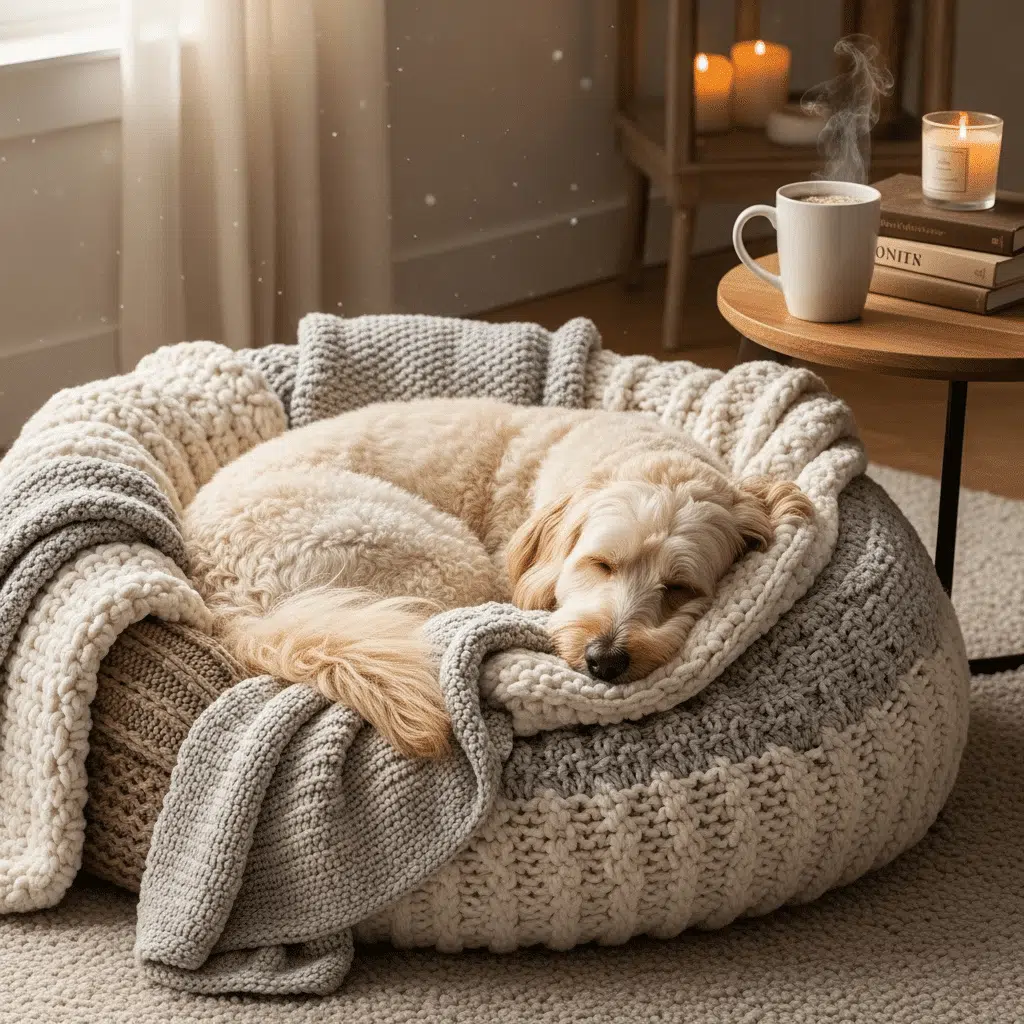
Your dog needs a warm retreat from the winter chill—even if they spend most of their time indoors.
The Essentials
Raised bed or thick bedding. Cold air settles at floor level, and cold from tiles or concrete seeps up. A raised bed or a thick, insulated mat creates a barrier between your dog and the cold floor.
Draft-free zone. Position beds away from doors, windows, and anywhere cold air sneaks in.
Extra blankets. Many dogs love burrowing under blankets in winter. Let them.
Warm sleeping spot at night. If your dog sleeps in a laundry, garage, or other unheated area, winter may be the time to rethink that arrangement—or add a pet-safe heating option.
Outdoor Dogs
If your dog lives primarily outdoors, winter requirements are more serious:
- Weatherproof shelter — fully enclosed with a raised floor
- Insulated bedding — straw, blankets, or a self-warming pad
- Protection from wind and rain — shelter opening should face away from prevailing weather
- Fresh water that doesn’t freeze — check morning and evening
- Access to a warm indoor space — on very cold nights, bring them in
Honestly, if temperatures are dropping into single digits overnight, even “outdoor dogs” should come inside. It’s not spoiling them—it’s basic welfare.
Health Concerns: Arthritis, Weight Gain, and Lethargy
Winter brings a cluster of related health challenges. Here’s what to watch for.
Arthritis Flare-Ups
Cold weather and joint pain go together. Dogs with existing arthritis often show increased stiffness, reluctance to move, and limping during winter months.
Signs of arthritis worsening:
- Slower to rise after rest
- Stiff, awkward gait (especially in the morning)
- Reluctance to climb stairs or jump
- Licking or chewing at joints
- Irritability when touched in certain areas
What helps:
- Keep moving. Light exercise actually reduces stiffness. Short, gentle walks are better than no walks.
- Warmth. Orthopaedic beds, heated pads, and keeping your home warm all help.
- Joint supplements. Glucosamine, chondroitin, and omega-3s support joint health. Start them before winter if possible.
- Weight management. Extra weight stresses joints. Don’t let winter kilos accumulate.
- Vet consultation. If your dog’s arthritis is affecting their quality of life, pain medication may be appropriate. Modern options are effective and safe for long-term use.
Winter Weight Gain
The formula is simple: less exercise + same food + extra treats = weight gain. Add that many dogs become less active by choice in winter (harder to motivate a warm, comfy dog off the couch), and the kilos creep on.
Prevention:
- Reduce portions if activity drops
- Track treats—they count
- Weigh monthly to catch trends early
- Maintain exercise even when it’s cold
Lethargy and Low Mood
Dogs can get winter blues too. Less sunlight, less outdoor time, and owners who are themselves less energetic all affect mood.
If your normally bouncy dog seems flat, try:
- Morning light exposure (even if just in the backyard)
- Interactive play sessions
- Enrichment activities
- Social time with other dogs
- Maintaining routines
Persistent lethargy that seems disproportionate to the season warrants a vet check—it can also indicate thyroid issues, anaemia, or other health problems.
Senior Dogs in Winter: Extra Considerations
Older dogs feel winter more acutely. Their bodies don’t regulate temperature as efficiently, and existing conditions are often aggravated by cold.
Key Areas to Watch
Arthritis intensifies. Senior dogs with joint issues often have their worst months in winter. Be proactive with joint support, warmth, and appropriate exercise.
Thinner coats. Ageing often brings coat changes—thinner fur, less dense undercoat. Dogs who never needed jumpers may need them now.
Less mobile. Senior dogs who are already slower may become reluctant to go out at all. Shorter, more frequent outings work better than long walks.
Slower to warm up. After being outside in the cold, older dogs take longer to return to normal body temperature. Dry them thoroughly and provide a warm spot to recover.
Cognitive changes. Dogs with canine cognitive dysfunction may be more confused or anxious in winter when routines change.
Supporting Senior Dogs Through Winter
- Extra-soft, orthopaedic bedding
- Warm coats for outdoor time (even if they never needed one before)
- Raised food and water bowls (easier on stiff necks)
- Gentle, consistent exercise routine
- Regular grooming to monitor skin health and check for lumps
- More frequent vet check-ups
For a complete overview of caring for older dogs, including winter-specific advice, see our senior dog care guide.
Australian Winter: Mild But Still Matters
We’re not dealing with snow and ice (for most of us), but Australian winters still present challenges worth taking seriously.
Regional Differences
Inland areas: Bigger temperature swings. Frosty mornings with cold nights, even if days warm up. This daily fluctuation can be harder on dogs than consistent cold.
Southern regions: Genuinely cold winters, especially in Tasmania, Victoria, and the NSW tablelands. Single-digit temperatures are common.
Coastal areas: Milder overall, but damp and windy conditions can make moderate cold feel worse.
Northern Australia: Barely a winter at all—more like a pleasant break from the heat. Most advice here is less critical.
The Transition Period
The shift from warm to cold (and back again) can actually be harder than consistent cold. Dogs’ coats take time to adjust, and the body’s thermoregulation needs time to recalibrate.
During autumn, you might notice:
- Increased shedding as summer coat drops
- Temporary dullness before winter coat grows in
- Uncertainty about whether they’re hot or cold
By mid-winter, most dogs have adapted. Spring brings another transition period.
Winter Grooming: What Changes?
You might think winter means less grooming. Not quite.
What Stays the Same
- Regular brushing (more important, not less—to manage winter coat growth)
- Nail trims (less outdoor activity means less natural wear)
- Ear cleaning (prone to issues if ears stay damp)
- Dental care (always)
What Changes
Bath frequency often decreases. Less outdoor mess, and you want to preserve natural oils. But don’t skip baths entirely—dogs still need them.
Coat length decisions. Some owners let coats grow longer for insulation. This works if you commit to the extra brushing required. Matted long coats actually insulate worse than properly maintained shorter coats.
Drying is critical. A wet dog in winter is a cold dog. Dry thoroughly after baths or rainy walks—especially ears, paws, and the chest.
Paw care. Wet, cold ground plus indoor heating can crack paw pads. Consider a paw balm if you notice dryness.
Winter Grooming at WoofSpark
We adjust our approach for winter. That means:
- Keeping the salon warm during your dog’s visit
- Thorough drying before they go back outside
- Conditioning treatments for dry winter skin
- Coat consultations on the best length for warmth vs. maintenance
Book an appointment and let us know if you have specific winter concerns.
Products That Help
At WoofSpark, we stock products that make winter dog care easier:
- Coats and jumpers in various sizes
- Joint support supplements
- Omega-3 oils for skin health
- Moisturising shampoos and conditioners
- Orthopaedic and heated beds
- Paw balms and protectants
Browse our shop for winter essentials.
FAQ
How cold is too cold for dogs?
It depends on the dog. As a general guide:
- Above 7°C: Most dogs are comfortable
- 0-7°C: Small, thin-coated, senior, or sick dogs may need protection
- Below 0°C: Most dogs need coats or shortened outdoor time; small and thin-coated breeds are at risk
Watch your individual dog’s behaviour—they’ll tell you when they’re cold.
Should I put a heater in my dog’s kennel?
If your dog sleeps outside, a pet-safe heating option can help on very cold nights. However, ensure any electrical heating is designed for pets (no exposed elements, tip-over protection, thermostat control). Heated mats made specifically for pet beds are safer than space heaters. Better yet, bring outdoor dogs inside on cold nights.
Can dogs get colds?
Dogs don’t catch human colds, but they can get their own respiratory infections. Canine infectious respiratory disease complex (kennel cough) can occur year-round, and symptoms look similar to a human cold: coughing, sneezing, runny nose. If your dog develops these symptoms, see your vet.
Is it cruel to put clothes on dogs?
Not if the dog needs them. Dressing up a Husky in a jumper on a 15°C day is unnecessary. Putting a coat on a shivering Greyhound is responsible care. Let your dog’s breed, coat type, and behaviour guide you—not opinions from people on the internet.
How often should I groom my dog in winter?
Brushing frequency should increase (to manage growing winter coat), while bathing can decrease. Most dogs do well with weekly brushing and monthly baths in winter. Breeds with continually growing coats (Poodles, Doodles, etc.) still need regular our professional grooming services every 6-8 weeks.
Need Help This Winter?
Whether it’s a grooming appointment to assess your dog’s coat condition, advice on winter products, or just a chat about what your individual dog needs—we’re here.
Questions? Get in touch
Ready to book? Schedule a grooming appointment
Winter in Australia might not be extreme, but your dog still deserves thoughtful care when the temperature drops. A little preparation—the right bedding, appropriate coat protection, adjusted exercise routines, and attention to skin and joint health—keeps them comfortable and healthy until the warmth returns.
Recommended Grooming Tools
Professional-quality tools to keep your dog’s coat looking great at home.
Pingback: Dog Dental Care: Healthy Teeth Guide