

Breed Guides
Cockapoo Grooming Guide: Everything You Need to Know About Cocker Spaniel Poodle Mix Care
Jan
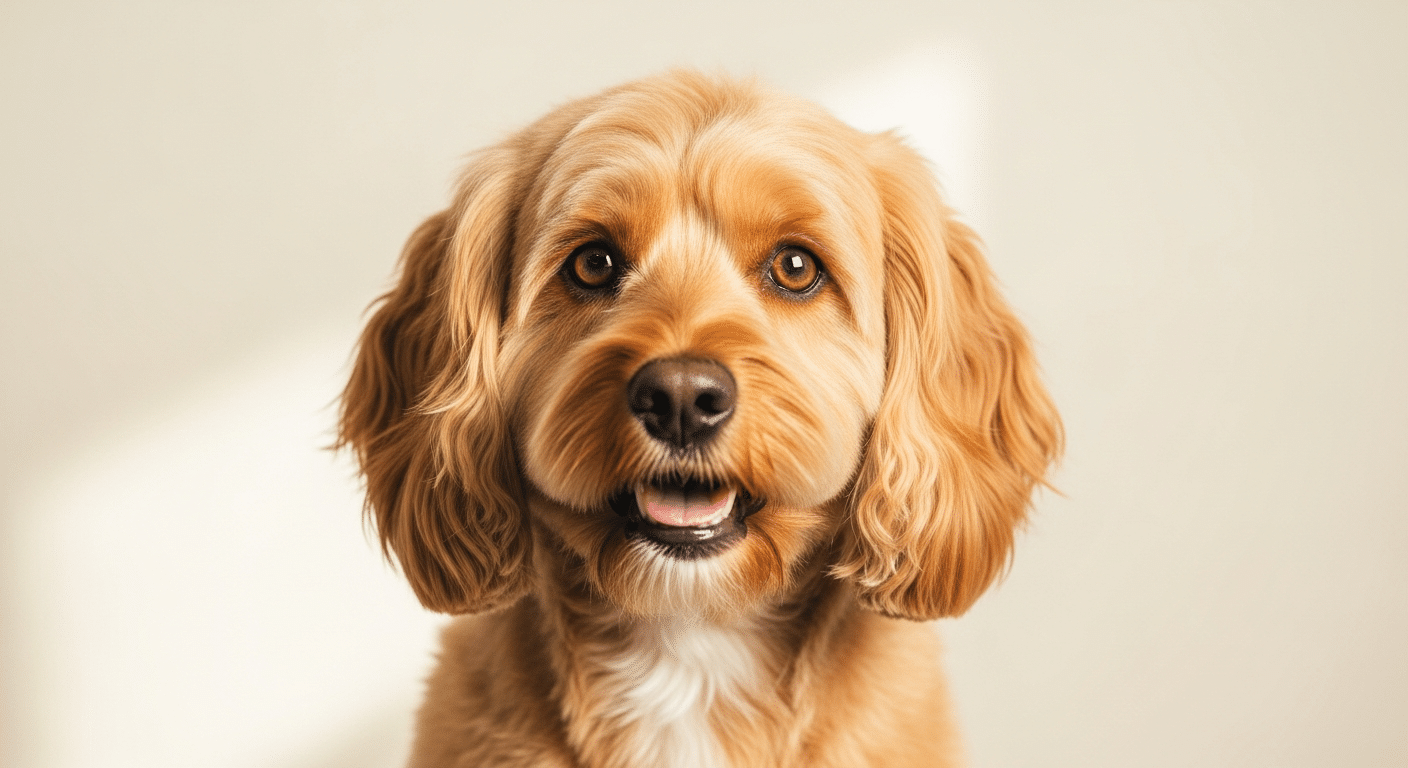
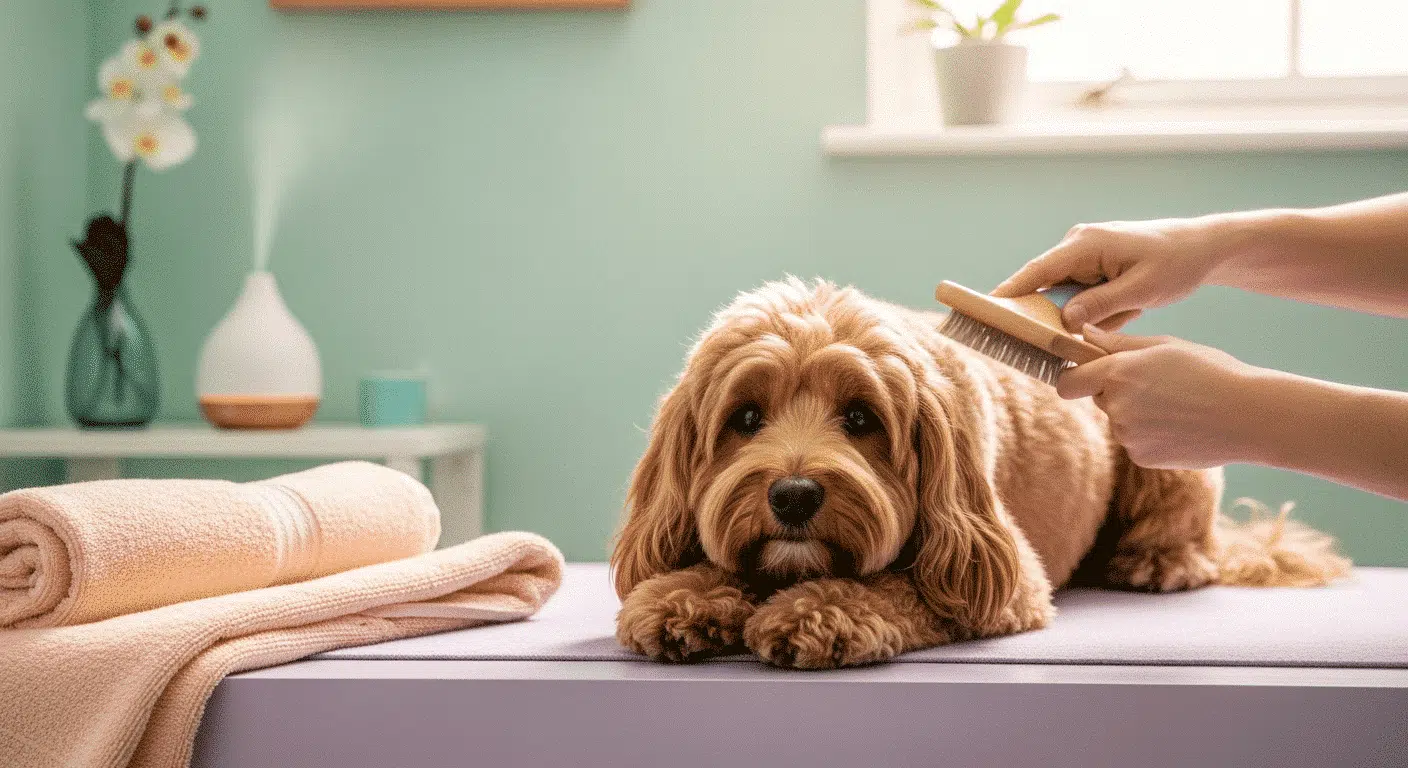
The Cockapoo was the original designer dog — people were crossing Cocker Spaniels with Poodles decades before “doodle” became a household word. There’s a reason the breed stuck around: they’re genuinely lovely dogs with that perfect blend of Cocker friendliness and Poodle intelligence.
But those ears. Those glorious, troublesome, high-maintenance ears.
If there’s one thing we want Cockapoo owners to understand, it’s this: your dog’s ear care matters as much as their coat care. Maybe more. We see more Cockapoo ear infections than almost any other breed-related problem in the salon.
This guide covers the full picture — coat types, grooming routines, the ear situation, and how to keep your Cockapoo looking and feeling their best.
The Cockapoo Coat Spectrum
What You’re Working With
Cockapoos inherit genes from two breeds with dramatically different coats:
- Cocker Spaniel: Medium-length, silky-wavy coat with feathering on ears, legs, and belly
- Poodle: Curly, dense, single coat that doesn’t shed
Coat Type Breakdown
Curly (Poodle-Dominant)
Tight curls throughout. Lowest shedding but highest mat risk.
Maintenance: Daily brushing required. Professional grooming every 4-5 weeks.
Wavy (Most Common)
Loose waves, soft texture. The “classic” Cockapoo look.
Maintenance: Daily brushing strongly recommended. Professional grooming every 5-6 weeks.
Straight/Flat (Cocker-Dominant)
Flatter, silkier coat with significant feathering. More shedding than curly or wavy types.
Maintenance: Regular brushing (every other day minimum). Professional grooming every 6-8 weeks.
The Feathering Factor
Regardless of curl pattern, most Cockapoos inherit some feathering — longer hair on the ears, legs, chest, and belly. This feathering:
- Tangles easily
- Collects debris
- Mats where it meets shorter coat
- Requires specific attention
The Ear Situation
Let’s address this first because it’s the biggest Cockapoo-specific issue we deal with.
Why Cockapoo Ears Are Problematic
Three factors combine:
- Drop ears: The ear flap covers the canal, trapping moisture and warmth.
- Hair in the canal: Many Cockapoos inherit hair growth inside the ear canal.
- Feathered ear flap: Long hair on the ear itself creates additional humidity.
This creates a warm, moist, poorly-ventilated environment — perfect for yeast and bacteria.
Signs of Ear Problems
Watch for:
- Head shaking
- Scratching at ears
- Red or inflamed skin inside ear
- Brown, yellow, or black discharge
- Unpleasant odour
- Sensitivity when ears are touched
Ear Care Routine
Weekly (minimum):
- Lift the ear flap
- Use vet-approved ear cleaning solution
- Massage the base of the ear
- Let dog shake
- Wipe visible debris with cotton ball
- Never insert anything into the ear canal
After swimming or bathing:
- Dry ears thoroughly
- Consider using an ear drying solution
Grooming Frequency
Daily Home Care: 10-15 Minutes
Your non-negotiables:
- Ear check (look, smell, note any concerns)
- Body brush with slicker brush
- Comb through feathering (legs, ears, chest)
- Sanitary area check
Professional Grooming Schedule
| Coat Type | Recommended Frequency |
|---|---|
| Curly | Every 4-5 weeks |
| Wavy | Every 5-6 weeks |
| Straight/Flat | Every 6-8 weeks |
Essential Grooming Tools
Must Have
- Slicker brush: Your daily tool
- Metal comb (greyhound style): If it doesn’t glide through, you’re not done brushing
- Detangling spray: Never brush dry
- Ear cleaning solution: Vet-approved, use weekly minimum
- Cotton balls: For ear cleaning, never use Q-tips in the canal
Highly Recommended
- Pin brush: Gentler than slicker
- Undercoat rake: If your Cockapoo has a denser coat
- Small scissors (round tip): For trimming paw pads and sanitary area
The Home Grooming Routine
Daily Maintenance (10-15 minutes)
- Start with ears: Look inside both ears. Sniff them. Note any concerns.
- Mist the coat: Light spray of detangling solution.
- Brush the body: Slicker brush, working in sections from back to front.
- Comb the feathering: Legs, ears, chest, belly.
- Check the paws: Hair between pads can mat.
- Sanitary glance: Trim if things are getting messy.
Weekly Deep Session (30-45 minutes)
Everything above, plus:
- Sectioned brushing: Part the coat into horizontal sections, brush each from root to tip
- Comb test everything: Your comb should glide through the entire body
- Ear cleaning: Solution, massage, let shake, wipe clean
- Nail check: Can you hear clicking on hard floors?
- Paw pad trim: Hair grows between pads, carefully trim flush
Popular Cockapoo Styles
Teddy Bear Cut: Even length on body and legs, rounded face, tidy ears. The most popular choice.
Cocker Cut: Shorter body, longer leg feathering maintained, domed head. More traditional but higher maintenance.
Puppy Cut: Similar to teddy bear but often slightly longer. Soft, fluffy overall.
Summer Cut: Short all over. Maximum ease during warm months.
Working Dog Style: Very short and practical. For active dogs or owners who can’t maintain longer coat.
Common Cockapoo Grooming Problems
Problem #1: Recurring Ear Infections
The most common Cockapoo complaint.
Management strategies:
- Weekly ear cleaning (or more frequent)
- Dry ears thoroughly after water exposure
- Consider ear hair removal if vet recommends
- Allergy testing if infections are constant
Problem #2: Matting Under the Ears
Where the ear meets the head is mat central for Cockapoos.
Prevention: Daily comb-through of this specific area. Lift the ear, brush the base.
Problem #3: Leg Feathering Disasters
Solutions:
- Daily comb-through of all feathering
- Trim shorter if maintenance isn’t happening
- More frequent paw soaks if walking in mud
Problem #4: Stinky Coat Between Baths
Usually caused by: Ear issues, coat not drying completely, skin issues, natural oil production.
Solutions:
- Address ear problems first
- Complete drying after baths and rain
- More frequent bathing (every 2-3 weeks)
- Dry shampoo between baths
Cockapoo Sizes and Grooming Differences
Toy Cockapoo (under 5kg): Less coat overall, shorter grooming sessions.
Miniature Cockapoo (5-9kg): Most common size, standard grooming approach.
Standard/Maxi Cockapoo (9-15kg+): More coat, longer sessions, higher mat risk in leg feathering.
Quick Reference
Every Day:
- Ear check
- Body brush
- Feathering comb
- Paw check
Every Week:
- Full sectioned brush
- Ear cleaning
- Comb test everywhere
- Paw pad trim if needed
Every 4-8 Weeks (depending on coat type):
- Professional groom
- Full ear cleaning and assessment
- Style maintenance
Signs to See the Vet:
- Ear infection symptoms
- Persistent scratching
- Skin changes
- Sudden coat changes
The Cockapoo has been a beloved breed for decades for good reason — they’re fantastic dogs. The ear maintenance is worth it.
Related Reading
Continue exploring our grooming guides:
- Spoodle Grooming Guide: Expert Care for Your Cocker Spaniel Poodle Cross
- Shihpoo Grooming Guide: Complete Care for Your Shih Tzu Poodle Mix
- Moodle Grooming Guide: The Complete Care Manual for Your Maltese Poodle Mix
Ready to book a professional grooming session? Book your appointment or view our services.
Your Cockapoo Deserves to Be Art
We’ve groomed thousands of Cockapoos — and every single one has a face worth framing. Upload a photo, pick your style, and we’ll turn your dog into a custom portrait. 10 styles. From $29. Ready in minutes.
See Your Cockapoo as a Portrait