

Grooming
Premium Treats vs Store-Bought: Guide
Jan
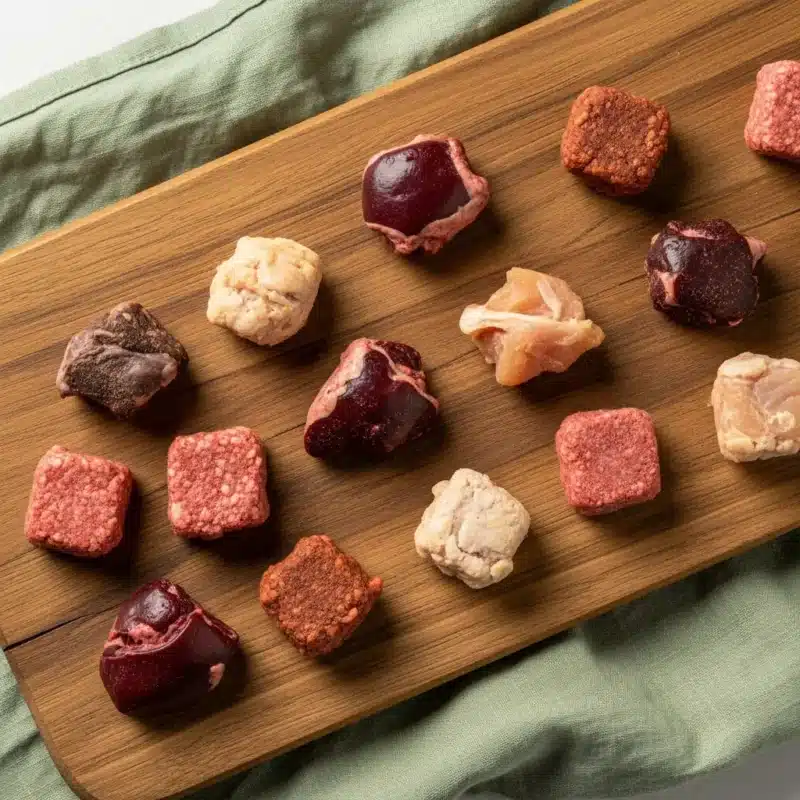
Premium dog treats vs store-bought snacks differ significantly in ingredients, nutritional value, and how they affect your dog’s health. First, understand that the label “premium” means different things depending on the brand. Generally, premium treats contain whole food ingredients, single proteins, and fewer fillers, while store-bought options often rely on by-products and artificial additives.
Here’s the truth: not every expensive treat is worth it, and not every budget option is bad. Let’s break down what actually matters.
Quick Verdict
| Category | Winner | Reason |
|---|---|---|
| Ingredient quality | Premium | Whole proteins, no fillers |
| Long-term health | Premium | Better for coat, digestion, allergies |
| Value for money | Depends | Premium wins if preventing vet visits |
| Everyday training | Store-bought OK | Small amounts less critical |
| Sensitive dogs | Premium | Fewer allergens and additives |
Bottom line: For dogs with sensitivities, skin issues, or coat problems, premium treats make a noticeable difference. For occasional training with healthy dogs, store-bought can work fine.
What Makes a Treat “Premium”?
Premium treats share these characteristics:
- Single or limited protein sources – Kangaroo, salmon, or chicken as the first ingredient, not “meat meal” or “poultry by-product”
- Identifiable ingredients – You can recognise everything on the label
- No artificial colours or flavours – Natural preservation methods
- Australian or locally sourced – Traceable supply chain
- Functional benefits – Added omega-3s, joint support, or dental benefits
Store-bought treats typically contain:
- Multiple protein by-products and meals
- Wheat, corn, or soy as fillers
- Artificial colours (often unnecessary)
- Added sugars and salts
- Preservatives like BHA, BHT, or ethoxyquin
The Ingredient Label Test
Here’s a simple way to compare. Look at the first five ingredients on any treat package.
Premium treat example:
- Australian kangaroo
- Sweet potato
- Coconut oil
- Rosemary extract
- Mixed tocopherols (natural vitamin E)
Store-bought example:
- Meat by-products
- Wheat flour
- Corn gluten meal
- Animal fat (preserved with BHA)
- Sugar
Generally, if you can’t identify where an ingredient comes from, your dog’s body processes it less efficiently. Subsequently, this affects coat quality, digestion, and overall health.
How Treats Affect Your Dog’s Coat
As professional groomers, we see the connection between diet and coat health daily. Indeed, what goes into your dog shows up in their coat condition.
Signs of poor-quality treats in diet:
- Dull, lacklustre coat
- Excessive shedding
- Dry, flaky skin
- Persistent odour between baths
- Greasy or oily feel
What premium treats contribute:
- Omega fatty acids support coat shine
- High-quality proteins strengthen hair follicles
- Natural ingredients reduce skin reactions
- Fewer fillers mean less digestive stress
Furthermore, dogs with coat issues often improve within 4-6 weeks of switching to higher-quality treats and food. Naturally, this isn’t a magic fix, but it’s a contributing factor we observe consistently.
Breaking Down the True Cost
Let’s talk money. Premium treats cost more upfront, but the calculation isn’t straightforward.
Price Comparison (per treat)
| Type | Price Range | Cost per Treat |
|---|---|---|
| Budget store-bought | $5-8/bag (100+ treats) | ~$0.05-0.08 |
| Mid-range store-bought | $10-15/bag (50-80 treats) | ~$0.15-0.25 |
| Premium Australian | $15-25/bag (30-50 treats) | ~$0.40-0.80 |
| Ultra-premium/raw | $25-40/bag (20-40 treats) | ~$0.80-2.00 |
The Hidden Cost Factor
Consider these scenarios where premium treats may actually save money:
Allergies and sensitivities:
- Vet visit for skin issues: $150-300
- Allergy testing: $300-500
- Prescription food/treats: $50-100/month
- Premium hypoallergenic treats: $25-35/month (prevention)
Dental health:
- Professional dental clean: $400-800 annually
- Quality dental chews: $25-40/month
- Tooth extraction if needed: $500-1,000+
Digestive upset:
- Emergency vet for severe reaction: $300-1,000+
- Ongoing digestive medications: $30-60/month
Essentially, if your dog has sensitivities, investing in premium treats now prevents costly issues later. However, for healthy dogs without sensitivities, occasional store-bought treats during training won’t cause problems.
When Store-Bought Is Fine
We’re not saying every treat needs to be premium. Here’s when budget options work:
Training sessions:
- Small pieces mean minimal ingredient exposure
- High-value treats can be premium while everyday training uses basic options
- Break larger treats into smaller pieces
Emergency situations:
- Running low and need something quickly
- Socialisation opportunities that arise unexpectedly
- Dog sitting arrangements
Healthy dogs without sensitivities:
- Occasional store-bought treats are fine
- Mix with premium options for variety
- Read labels even on budget brands-some are better than others
When Premium Is Worth Every Dollar
Definitely invest in premium treats if your dog has:
- Skin allergies or sensitivities
- Digestive issues or sensitive stomach
- Coat problems (dull, dry, excessive shedding)
- Food intolerances
- Weight management needs
- Joint issues (look for functional treats)
Also consider premium for:
- Puppies developing their immune systems
- Senior dogs needing joint and cognitive support
- High-energy breeds needing proper nutrition
- Dogs recovering from illness
Reading Labels Like a Pro
Red Flags to Avoid
- “Meat” or “meat by-products” – Unspecified protein sources
- Multiple grains in top 5 ingredients – Filler-heavy recipe
- Artificial colours – Completely unnecessary
- Added sugar or corn syrup – Empty calories
- Chemical preservatives – BHA, BHT, ethoxyquin
- Propylene glycol – Used in some semi-moist treats
Green Flags to Look For
- Named protein first – “Chicken,” “beef,” “salmon,” not “poultry”
- Limited ingredients – Simpler is often better
- Natural preservatives – Tocopherols, rosemary extract
- Australian-made – Better traceability
- Functional claims with proof – Omega-3 content specified
- Feeding guidelines – Shows manufacturer knows proper dosing
Best Premium Treat Categories for Doodles
Based on what we recommend to our grooming clients:
For Coat Health
Look for treats with:
- Salmon or fish oils (omega-3s)
- Flaxseed
- Coconut
- Single proteins (less allergenic)
For Training
Prioritise:
- Small size (no breaking needed)
- Strong smell (motivating)
- Soft texture (quick eating)
- Low calorie
For Dental Health
Features that matter:
- Texture that cleans teeth
- Size appropriate for your dog
- VOHC seal (Veterinary Oral Health Council)
- No added sugars
For Sensitive Stomachs
Requirements:
- Single protein source
- Novel proteins (kangaroo, venison, crocodile)
- No grains or limited grains
- Probiotics included (bonus)
Australian Brands Worth Trying
Premium Australian options we recommend:
- Balanced Life – Air-dried, Australian ingredients
- WAG – Focus on sustainability and ethics
- Laila & Me – Vet-formulated recipes
- Bonza Dog Treats – Wide range of novel proteins
- Loyalty Pet Treats – Australian-sourced, limited ingredient
These brands typically offer better traceability than imported options. Additionally, Australian manufacturing standards provide more confidence in quality control.
The “Groomer’s Choice” Test
Here’s what we tell our grooming clients: if you’re unsure whether a treat is quality, ask yourself:
- Could I identify every ingredient if I read them aloud?
- Would I feel comfortable eating this myself? (Obviously you wouldn’t, but the question matters)
- Does the company specify where ingredients come from?
- Is there a customer service line for questions?
If you answer “no” to most of these, consider upgrading.
Making the Switch Gradually
Changing treats suddenly can upset your dog’s digestion. Follow this approach:
Week 1: Mix 25% new treats with 75% old treats
Week 2: 50/50 split
Week 3: 75% new, 25% old
Week 4: Fully transitioned
Watch for digestive changes during transition. Indeed, some loose stool initially is normal but should resolve within a few days.
FAQ
Are expensive treats always better?
Not always. Price doesn’t guarantee quality. Check ingredients rather than just price. Some mid-range Australian brands offer excellent quality without premium pricing. Essentially, the ingredient list tells you more than the price tag.
Can I mix premium and store-bought treats?
Yes. Use premium treats for daily giving and training rewards, store-bought for occasional variety or emergencies. Generally, this balanced approach works well for healthy dogs without sensitivities.
How many treats can my dog have daily?
Treats should make up no more than 10% of daily calories. For a 15kg dog eating 800-900 calories daily, that’s about 80-90 calories in treats-roughly 5-8 medium premium treats or 10-15 small training treats.
Do premium treats really help with coat health?
Yes, we see consistent improvement in dogs that switch to higher-quality treats alongside quality food. However, treats alone won’t fix coat problems-they’re part of the overall diet picture.
Which proteins are best for dogs with sensitivities?
Novel proteins work best for sensitive dogs. Options include kangaroo, crocodile, venison, or rabbit. These proteins are less likely to trigger reactions because your dog hasn’t been overexposed to them.
Our Professional Recommendation
After years of grooming thousands of dogs and seeing the difference nutrition makes:
For everyday healthy dogs: A mix of quality mid-range and occasional premium treats works well. Read labels, avoid obvious red flags, and pay attention to how your dog responds.
For dogs with sensitivities: Premium treats with single proteins and limited ingredients are worth the investment. The cost difference is minimal compared to vet visits for allergies or skin issues.
For training: Use whatever motivates your dog, keeping portions tiny. Premium matters less here since you’re using such small amounts.
The best treat is one your dog loves, that you can afford consistently, and that doesn’t cause health issues. Find that balance for your specific dog.
At WoofSpark, we see the connection between diet and coat health every day. Questions about what treats work best for your dog’s specific coat type? Book a grooming appointment and we’re happy to chat about recommendations based on your dog’s needs.
Related reading:
Related Reading
Continue exploring our care guides:
- Doodle Nutrition: Complete Feeding Guide
- Foods That Make Dog Coats Shiny
- How Diet Affects Your Dog’s Skin and Coat
Ready for professional grooming? Book your appointment or view our services.