
Dog Care
Breed-Specific Grooming and Care: A Complete Guide for Australian Dog Owners
Jan
Understanding Dog Coat Types
Before we talk about specific breeds, you need to understand coat types. Once you know your dog’s coat type, you’ll understand why certain grooming practices matter.
Smooth/Short Coats
Examples: French Bulldog, Boxer, Beagle, Greyhound, Pointer
The lowest-maintenance coat type. Short, close-lying hair that sits flat against the body.
What they need:
- Weekly grooming brushes and toolsing with a rubber curry brush or grooming mitt
- Removes loose hair and distributes natural oils
- Regular dog shampooss every 4-8 weeks
Common issues:
- Still shed—sometimes heavily
- Skin can be more exposed to sun damage
- Prone to dryness in winter
Don’t let “short coat” fool you into thinking zero maintenance. These dogs still shed, and the short hairs embed themselves in furniture and clothes like tiny needles.
Double Coats
Examples: Labrador, Golden Retriever, German Shepherd, Border Collie, Husky, Malamute, Pomeranian
Two layers: a soft, dense undercoat for insulation, and a coarser outer coat (guard hairs) for protection. This coat type evolved for weather protection.
What they need:
- Weekly brushing minimum; daily during shedding season
- Undercoat rake or deshedding tool to remove loose undercoat
- Bath every 6-8 weeks (or when dirty)
- Professional deshedding treatments during seasonal blows
Critical rule: NEVER shave a double coat
We’ll explain this more in the seasonal section, but shaving a double-coated dog doesn’t cool them down—it removes their insulation and can permanently damage coat texture. The undercoat grows back faster than guard hairs, resulting in a patchy, rough coat that doesn’t protect them properly.
Wire/Rough Coats
Examples: Schnauzer, Border Terrier, Wire-Haired Dachshund, Airedale, Scottish Terrier
Coarse, bristly texture that stands away from the body. Originally bred for protection in rough terrain.
What they need:
- Regular brushing to prevent matting
- Hand-stripping (plucking dead coat) to maintain texture—or clipping if you prefer easier maintenance
- Professional grooming every 6-8 weeks
The hand-stripping decision:
Traditional wire coat maintenance involves hand-stripping—literally plucking the dead outer coat. This maintains the correct texture and colour. Most pet owners opt for clipping instead, which is faster and cheaper but gradually softens the coat texture. Neither is “wrong”—it’s about your priorities.
Silky/Long Coats
Examples: Shih Tzu, Maltese, Yorkshire Terrier, Afghan Hound, Cavalier King Charles Spaniel
Long, fine, flowing hair (yes, it’s actually hair, not fur). Can be straight or wavy, but always with a silky texture.
What they need:
- Daily brushing or every other day minimum
- Detangling spray before brushing
- Regular baths with conditioning healthy dog treatsments
- Professional grooming every 4-6 weeks
- Many owners keep them in shorter clips for easier maintenance
The length trade-off:
Long, flowing coats look beautiful. They also require daily attention. If you’re not prepared to brush daily, ask your groomer for a practical length that suits your lifestyle. A shorter cut that’s well-maintained looks better than a long coat full of mats.
Curly/Wool Coats
Examples: Poodle, Bichon Frise, all the Doodle crosses (Cavoodle, Labradoodle, Goldendoodle, Groodle, etc.)
Dense, curly coat that doesn’t shed in the traditional sense. Instead, loose hair gets trapped in the curls—which is exactly why they mat so badly.
What they need:
- Brushing every 1-2 days—non-negotiable
- Must brush all the way to the skin, not just the surface
- Regular professional grooming every 4-6 weeks
- Detangling spray is essential
The “hypoallergenic” reality:
These breeds are marketed as hypoallergenic because they don’t shed much. What the breeders don’t tell you: the hair still falls out, it just gets trapped in the coat. Without consistent brushing, it forms mats. Every Doodle owner needs to understand this. More on this later.
Hairless Breeds
Examples: Chinese Crested, Xoloitzcuintli, American Hairless Terrier
No coat (or minimal coat on head, feet, and tail).
What they need:
- Regular baths to prevent oil buildup and acne
- Moisturiser for dry skin
- Sunscreen for outdoor time
- Protective clothing in extreme weather
Ironically, hairless breeds can be more work than many coated breeds—just different work. Instead of brushing, you’re managing skin care.
Grooming Guide for Australia’s Most Popular Breeds
Now let’s look at the specific breeds we groom most often. We’ll cover realistic expectations, not idealistic ones.
Cavoodle
Coat type: Wool or fleece (varies by individual)
Grooming frequency: Every 4-6 weeks professional; daily brushing at home
Shedding: Low to none
Difficulty level: High maintenance
The Cavoodle is Australia’s most popular crossbreed—and the breed we see most for severe matting. The adorable teddy bear look comes with serious grooming requirements.
Key grooming points:
- Coat varies wildly between puppies, even in the same litter
- Curly coats mat faster than wavy coats
- Must brush all the way to skin, not just surface fluffing
- Problem areas: behind ears, under collar, armpits, back legs
- Puppy coat transitions around 6-12 months (often becomes more difficult to maintain)
If you’re considering a Cavoodle, check out our Cavoodle Puppy Kit with the essential tools you’ll need from day one.
Labrador Retriever
Coat type: Double coat
Grooming frequency: Every 8-12 weeks professional; weekly brushing (daily during shedding)
Shedding: Heavy, especially twice yearly
Difficulty level: Moderate
Labs look low-maintenance until shedding season hits. Then you’ll wonder how one dog can produce so much hair.
Key grooming points:
- Undercoat blows twice yearly (spring and autumn)
- Need deshedding treatments during these periods
- Water-resistant coat shouldn’t be bathed too frequently (strips natural oils)
- Prone to ear infections—keep ears clean and dry
- Never shave—double coat protects from both heat and cold
Our deshedding guide explains why professional deshedding makes such a difference during coat blows.
Golden Retriever
Coat type: Double coat with feathering
Grooming frequency: Every 6-8 weeks professional; 2-3 times weekly brushing
Shedding: Heavy year-round, heavier seasonally
Difficulty level: Moderate to high
Goldens have that beautiful flowing coat with feathering on legs, chest, and tail. It’s gorgeous—and it mats if neglected.
Key grooming points:
- Feathering tangles easily, especially behind ears and back legs
- More frequent brushing than Labs due to longer coat
- Prone to hot spots if coat stays damp—dry thoroughly after swimming
- Sanitary trims needed to keep undercarriage tidy
- Never shave—use a trim if you want less coat
German Shepherd
Coat type: Double coat (standard or long coat variety)
Grooming frequency: Every 8-12 weeks professional; weekly brushing (daily during shedding)
Shedding: Heavy—they’re called “German Shedders” for a reason
Difficulty level: Moderate
German Shepherds blow their coat twice yearly with intensity. During these periods, you can pull out handfuls of undercoat daily.
Key grooming points:
- Undercoat rake is essential during shedding season
- Long coat variety needs more frequent brushing
- Prone to dry skin—don’t over-bathe
- Check ears regularly; upright ears don’t always mean good airflow
- Professional deshedding treatments save your sanity in spring/autumn
Border Collie
Coat type: Double coat (smooth or rough variety)
Grooming frequency: Every 8-12 weeks professional; 2-3 times weekly brushing
Shedding: Moderate to heavy seasonally
Difficulty level: Moderate
Working dogs who often work outdoors—so their coats cop a lot of debris, seeds, and tangles.
Key grooming points:
- Rough coat variety has more feathering and needs more attention
- Prone to collecting grass seeds and burrs
- Check between toes regularly for seeds
- Mats form behind ears and in pantaloons (leg feathering)
- Active lifestyle means more frequent bathing
Poodle (Standard, Miniature, and Toy)
Coat type: Curly/wool
Grooming frequency: Every 4-6 weeks professional; daily brushing at home
Shedding: Minimal
Difficulty level: High
The original curly-coated breed that spawned all the Doodle mixes. Their coat grows continuously and mats if not maintained properly.
Key grooming points:
- Non-shedding means loose hair stays in coat and mats
- Must brush thoroughly to skin, sectioning coat
- Multiple clip styles available (ask your groomer)
- Ear hair needs plucking to prevent ear infections
- High-maintenance but very manageable with routine
Schnauzer (Standard, Miniature, and Giant)
Coat type: Wire coat
Grooming frequency: Every 6-8 weeks professional; 2-3 times weekly brushing
Shedding: Low
Difficulty level: Moderate
That distinctive Schnauzer look—bushy eyebrows and beard—requires regular maintenance.
Key grooming points:
- Beard collects food and water; needs daily wiping
- Can be hand-stripped or clipped (clipping softens coat over time)
- Leg furnishings need regular brushing
- Underbody typically kept short for cleanliness
- Regular eyebrow trimming to prevent vision issues
Shih Tzu
Coat type: Silky/long (technically hair, not fur)
Grooming frequency: Every 4-6 weeks professional; daily brushing
Shedding: Low
Difficulty level: High
Originally bred as palace dogs in China, and their coats show it. High maintenance but beautiful when done right.
Key grooming points:
- Coat grows continuously—no natural length limit
- Daily brushing absolutely essential for full coat
- Many owners prefer practical “puppy cut” for easier maintenance
- Prone to tear staining; clean eye area daily
- Flat face means extra attention to facial folds
- Topknot or short trim keeps hair out of eyes
French Bulldog
Coat type: Smooth/short
Grooming frequency: Every 8-12 weeks professional; weekly at-home maintenance
Shedding: Moderate (more than you’d expect)
Difficulty level: Low coat maintenance; high skin maintenance
Frenchies look easy—and the coat is. But their skin folds require attention.
Key grooming points:
- Short coat still sheds; rubber curry brush weekly
- Facial wrinkles must be cleaned and dried daily to prevent infections
- Prone to skin allergies; watch for hotspots
- Bat ears need regular cleaning
- Tail pocket (if present) needs cleaning to prevent infection
Siberian Husky and Alaskan Malamute
Coat type: Heavy double coat
Grooming frequency: Every 8-12 weeks professional; regular brushing (daily during shedding)
Shedding: Extreme during coat blow; moderate otherwise
Difficulty level: High during shedding season
These Arctic breeds have the heaviest double coats of any common breed. When they blow coat, it’s an event.
Key grooming points:
- Undercoat blows spectacularly in spring; moderate in autumn
- Professional deshedding is almost essential during these times
- NEVER shave—their coat insulates them from BOTH heat and cold
- Surprisingly clean; don’t over-bathe (damages coat’s natural oils)
- Need daily brushing during coat blow to remove loose undercoat
- Minimal grooming needed outside shedding season
The Doodle Guide: What Nobody Tells You
Doodles deserve their own section because they come with more misconceptions than any other breed type. Whether you have a Cavoodle, Labradoodle, Goldendoodle, Groodle, Spoodle, or any other -oodle, this applies to you.
Why Doodles Need More Grooming Than People Expect
When Doodles became popular, breeders marketed them as “hypoallergenic” and “low-maintenance.” The first part is partially true (reduced shedding). The second part is completely false.
Here’s the reality:
The hair still falls out—it just doesn’t fall off.
Normal dogs shed. The loose hair falls on your floor, your clothes, your couch. You see it. You vacuum it.
Doodle coats trap that loose hair in the curls. Out of sight, out of mind—until it forms mats. And mats form fast.
The Poodle genetics require Poodle-level maintenance.
Poodles need professional grooming every 4-6 weeks and daily brushing. When you cross a Poodle with anything, those grooming requirements don’t disappear. They just become unpredictable.
The coat is often harder to maintain than a purebred Poodle’s.
Poodle coats are uniform. Doodle coats often combine textures—curly in some areas, wavy in others, with Poodle-like density but the parent breed’s length. This combination can be more challenging than either parent breed alone.
Common Doodle Coat Variations
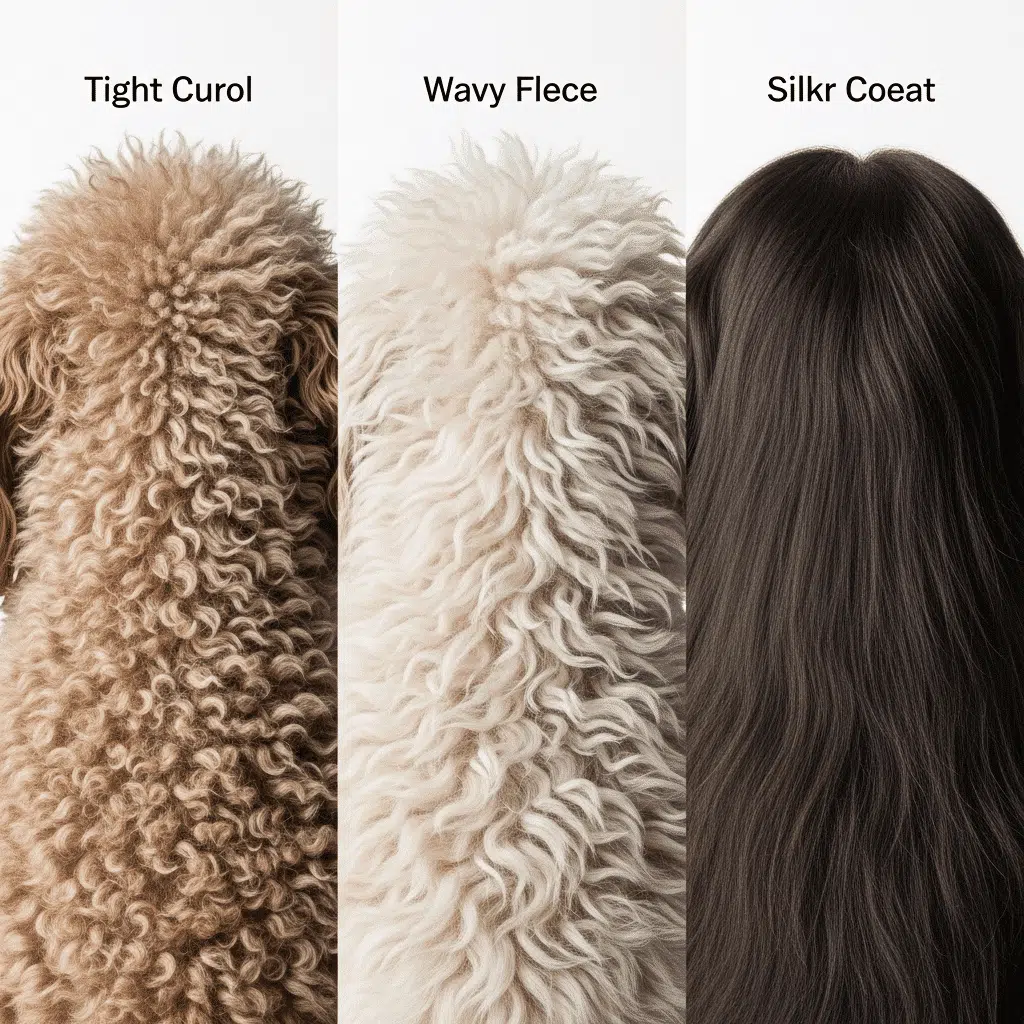
No two Doodles have the same coat. Even puppies from the same litter can have dramatically different textures.
Wool Coat (Most Poodle-Like)
- Tight curls
- Dense, plush texture
- Minimal shedding
- Highest maintenance—mats fastest
- Needs brushing every 1-2 days
Fleece Coat (The “Ideal” Doodle Coat)
- Loose waves or soft curls
- Silky texture
- Low shedding
- Still mats, but slower than wool
- Needs brushing every 2-3 days
Hair/Flat Coat (Most Parent-Breed-Like)
- Straighter, less curl
- More like retriever coat
- May shed more
- Easier to maintain
- Some breeders discourage, but it’s actually the lowest-maintenance option
Combination Coat
- Different textures in different areas
- Common with first-generation crosses
- Challenging to maintain—different tools for different areas
- No standard approach; need to adapt
The Matting Problem
Mats aren’t just cosmetic. They hurt.
When hair tangles and tightens against the skin, it:
- Pulls with every movement
- Traps moisture (which causes skin infections)
- Provides hiding places for fleas and parasites
- Can become so tight it cuts off circulation
- Causes bruising and skin damage
We see severely matted Doodles every week. By the time many owners realise there’s a problem, the mats are so tight that brushing them out would cause more pain than shaving. That’s not the groomer being lazy—it’s the groomer being humane.
The “shave-down” conversation:
If your groomer says your Doodle needs to be shaved, please understand:
- They’re not punishing you
- They’re not being lazy
- They’ve assessed the coat and determined that brushing out the mats would hurt your dog
- It’s genuinely the kindest option
After a shave-down, you get a fresh start. The coat grows back. What you do in those next weeks determines whether you’re back in the same situation in three months.
Realistic Doodle Grooming Expectations
If you want a long, fluffy coat:
- Brush every single day (5-10 minutes minimum)
- Must reach the skin, not just fluff the surface
- Professional grooming every 4-6 weeks
- Detangling spray is essential
- Check trouble spots twice daily (behind ears, armpits, collar area)
If you don’t have time for daily brushing:
- Keep them in a shorter clip (1-2 inches)
- Still needs brushing every 2-3 days
- Professional grooming every 4-6 weeks
- Much easier to maintain; still looks cute
- Be honest with yourself about your lifestyle
The math that matters:
- 10 minutes daily brushing = fluffy coat, happy dog, normal grooming bills
- Sporadic brushing = mats, stressed dog, higher grooming bills (matting removal takes longer), possible shave-downs
It’s not about being a “good” or “bad” owner. It’s about matching your maintenance commitment to your coat length choice.
Seasonal Grooming Considerations
Australia’s climate varies dramatically by region, but most of the country experiences distinct seasons that affect your dog’s coat.
Summer Grooming
The hot months create unique challenges—and common mistakes.
Keep your dog comfortable, but don’t shave double coats:
This is the biggest summer grooming mistake we see. Well-meaning owners shave their Husky, German Shepherd, or Golden Retriever, thinking they’re cooling them down.
Here’s why that backfires:
- Double coats insulate in BOTH directions (keeps heat out as well as in)
- The undercoat provides air circulation against the skin
- Shaving exposes skin to sunburn and heat
- Guard hairs may not grow back correctly, resulting in permanent coat damage
- The undercoat grows faster than guard hairs, creating patchy, woolly texture
What actually helps double-coated dogs in summer:
- Professional deshedding to remove dead undercoat
- Regular brushing to maintain coat loft and airflow
- Access to shade and water
- Avoiding hot pavement and midday exercise
- Cooling mats and frozen treats
For non-double-coated breeds:
Shorter clips are absolutely fine for Poodles, Doodles, Shih Tzus, and other single-coated breeds. These dogs benefit from a summer trim.
Summer grooming checklist:
- Remove undercoat with deshedding treatment
- Check paws after walks (hot pavement burns)
- Keep sanitary areas trimmed short
- Watch for hot spots (common with wet coats)
- Dry thoroughly after swimming—never leave damp
Winter Grooming
Cold months mean dry air, indoor heating, and its own set of challenges.
Coat maintenance:
- Don’t skip grooming because the coat is “keeping them warm”
- Mats are more likely as coats grow fuller
- Longer coat doesn’t mean less brushing—usually means more
- Let coats grow slightly longer for breeds that can handle it
Dry skin management:
- Indoor heating dries out skin and coat
- Consider adding omega health supplementss for skin health
- Use a moisturising conditioner at bath time
- Reduce bathing frequency if skin seems dry
- Humidifier in the home helps dogs too
Paw care:
- Check for cracking on paw pads
- Trim hair between pads (mud and debris stick)
- Dry paws thoroughly after wet walks
- Paw balm for dry or cracked pads
Spring and Autumn: Shedding Season Management
These transition seasons trigger major coat changes for double-coated breeds.
The spring coat blow:
Double-coated dogs shed their thick winter undercoat in preparation for summer. This is NOT subtle. You’ll see:
- Clumps of undercoat coming out
- “Tumbleweeds” of fluff around the house
- Hair on everything despite regular brushing
- A “patchy” look as undercoat releases
How to manage it:
- Increase brushing to daily during this period
- Use an undercoat rake or deshedding tool
- Book a professional deshedding treatment—worth every dollar
- Bathe more frequently to loosen dead coat
- Resign yourself to vacuuming daily for 2-4 weeks
The autumn coat transition:
Summer coat sheds (less dramatically) as winter undercoat grows in. Less intense than spring but still noticeable.
Signs you’re in shedding season:
- More hair than usual on your brush
- Hair everywhere despite regular maintenance
- Coat looks “blown out” or patchy
- Undercoat coming out in clumps
Home Grooming Essentials by Coat Type
You don’t need every tool on the market. Here’s what actually matters, organised by coat type.
Smooth/Short Coat Tool Kit
Essential:
- Rubber curry brush or grooming mitt—removes loose hair, stimulates skin
- Basic bristle brush—distributes natural oils
Optional but helpful:
- Shedding blade—useful during heavier shedding periods
- Hound glove—good for sensitive dogs
Home grooming tasks:
- Weekly brushing with curry brush
- Regular nail trims
- Ear cleaning
- Basic bathing
Leave to professionals:
- Nail grinding (if preferred over clipping)
- Thorough ear cleaning
- Skin checks
Double Coat Tool Kit
Essential:
- Slicker brush—daily maintenance
- Undercoat rake—removing loose undercoat
- Metal comb—checking for tangles
Optional but helpful:
- Deshedding tool (like Furminator)—use carefully, can damage coat if overused
- Mat splitter—for minor tangles
Home grooming tasks:
- Regular brushing
- Nail trims
- Ear cleaning
- Basic bathing
Leave to professionals:
- Deshedding treatments during coat blow
- Sanitary trims
- Pad hair trimming
- Any scissor or clipper work
Wire Coat Tool Kit
Essential:
- Slicker brush—regular coat maintenance
- Metal comb—detailing and finishing
- Stripping knife (if hand-stripping)—traditional coat maintenance
Home grooming tasks:
- Regular brushing
- Facial hair wiping (Schnauzers)
- Basic bathing
Leave to professionals:
- Hand-stripping (specialised technique)
- Clipping and shaping
- Beard and eyebrow trimming
Silky/Long Coat Tool Kit
Essential:
- Pin brush—gentle on long coats
- Slicker brush—detangling
- Metal comb—checking for knots
- Detangling spray—essential for preventing breakage
Home grooming tasks:
- Daily brushing (non-negotiable for full coats)
- Tear stain cleaning
- Topknot maintenance (if applicable)
Leave to professionals:
- Haircuts and shaping
- Thinning and layering
- Mat removal (if you’ve missed spots)
Curly/Wool Coat Tool Kit
Essential:
- Slicker brush—curly coat specific (longer pins)
- Metal comb—must reach the skin
- Detangling spray—use before every brush session
Highly recommended:
- Dematting comb—for minor tangles
- Grooming table or non-slip mat—makes sessions easier
Home grooming tasks:
- Daily brushing (every 1-2 days minimum)
- Checking trouble spots
- Face wiping
- Basic nail maintenance
Leave to professionals:
- All clipper work
- Scissoring
- Mat removal
- Ear plucking (for breeds that need it)
What You Can Do at Home vs What Needs a Professional
Confident home groomers can handle:
- Regular brushing and maintenance
- Basic nail trims (if trained properly)
- Ear cleaning (outer ear only)
- Bathing and blow-drying
- Sanitary trimming (if confident with scissors)
- Pad hair trimming
- Eye cleaning and tear stain maintenance
Always leave to professionals:
- Full body clipper work
- Hand-stripping
- Complex scissor work (shaping, blending)
- Severe mat removal
- Deep ear cleaning
- Anal gland expression
- Anything you’re not 100% confident doing
The rule: If you’re not sure, don’t guess. A botched home clipper job can take months to grow out. And we’ve treated scissor accidents that could have been avoided by just booking a groom.
When to See a our professional grooming services
Every dog benefits from professional grooming, but some situations demand it:
Routine maintenance:
- Every 4-8 weeks for high-maintenance breeds (Doodles, Poodles, Shih Tzus)
- Every 8-12 weeks for moderate breeds
- At least 2-3 times yearly for low-maintenance breeds (seasonal grooms, deshedding)
Book immediately if:
- You discover mats (better caught early)
- Coat smells even when clean (could indicate skin issues)
- Ears smell or look irritated
- Nails are clicking on hard floors
- Eye discharge or tear staining is building up
- You’re feeling overwhelmed by home maintenance
Seasonal bookings:
- Spring: Deshedding for double-coated breeds
- Summer: Clip-down or trim for heat management
- Autumn: Coat transition maintenance
- Winter: Maintenance groom, paw care focus
Ready for Professional Help?
If you’re in the Cessnock or Hunter Valley area, our team at WoofSpark specialises in breed-specific grooming. We work with every breed mentioned in this guide—from matted Doodles to blowing Huskies.
Book your dog’s groom:
Book Online | Shop Grooming Products | Contact Us
Frequently Asked Questions
How often should I brush my dog?
It depends entirely on coat type. Short/smooth coats: weekly. Double coats: 2-3 times weekly (daily during shedding). Wire coats: 2-3 times weekly. Long/silky coats: daily. Curly/wool coats: every 1-2 days. When in doubt, more frequent brushing prevents problems.
Can I shave my double-coated dog in summer?
No. Double coats insulate against heat as well as cold. Shaving removes this protection, exposes skin to sunburn, and can permanently damage coat texture. Instead, book a professional deshedding treatment to remove dead undercoat.
Why does my Doodle get matted so fast?
Doodle coats trap loose hair instead of shedding it. This hair tangles with the live coat, forming mats. The only solution is consistent brushing that reaches the skin. Surface brushing leaves the mats hidden underneath.
How do I know if my dog has mats?
Run a metal comb through the coat all the way to the skin. If it catches or stops, there’s matting. Check trouble spots: behind ears, under collar, armpits, back of legs, around tail, and chest.
What’s the difference between a grooming salon and a mobile groomer?
Salon grooming typically offers more services and equipment (high-velocity dryers, professional bathing systems). Mobile grooming offers convenience and less stress for anxious dogs. Both can deliver quality results—choose based on your dog’s temperament and your lifestyle.
How do I find a good groomer?
Ask for recommendations from your vet, breed clubs, or other dog owners. Visit the salon before booking. Ask about their experience with your breed. A good groomer will ask questions about your dog’s temperament and health issues. Trust your gut—if something feels off, try elsewhere.
My dog hates being groomed. What can I do?
Start with short, positive sessions at home. Reward calm behaviour. Desensitise gradually to tools (let them sniff the brush, reward, repeat). Consider a groomer experienced with anxious dogs. Some dogs do better with mobile groomers (less stimulus). In severe cases, consult a veterinary behaviourist.
Should I tip my dog groomer?
Tipping isn’t expected in Australia like it is in the US, but it’s always appreciated for exceptional service. A verbal thank you, Google review, or recommendation to friends means just as much.
Related Resources:
Questions about grooming your specific breed? Get in touch—we’re happy to help.
Recommended Grooming Tools
Professional-quality tools to keep your dog’s coat looking great at home.
Skip the Guesswork. Start With the Right Tools.
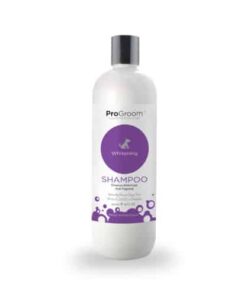
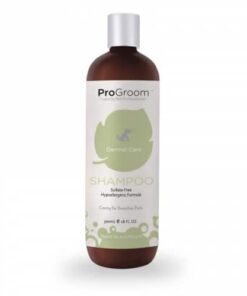
The Cavoodle Puppy Kit is everything Marine wishes new owners had from the start. The right brush for a doodle coat, salon-grade shampoo, and a voucher for their first professional groom. Three tiers: Essential ($69), Complete ($149), and Premium ($249).
See What’s in the Kit
Pingback: Summer Dog Grooming: Keep Dogs Cool