
Puppy Guide
How to Groom a Doodle Puppy at Home: Complete Australian Guide (2026)
Jan
How to Groom a Doodle Puppy at Home: A Complete Guide for Australian Owners
Your doodle puppy looks like a teddy bear right now. Soft, fluffy, easy to cuddle. But in about six months, that puppy coat is going to change—and if you’re not ready, you’ll be dealing with mats, tangles, and emergency trips to the groomer.
We’ve groomed over 3,000 doodles at WoofSpark. Cavoodles, Labradoodles, Goldendoodles, Groodles—every poodle cross imaginable. The owners who start grooming habits early have happy, mat-free dogs. The ones who wait? They’re the ones asking us to shave their dog short because the mats got too tight to grooming brushes and tools out.
This guide covers everything you need to groom your doodle puppy at home: the tools that actually work, the brushing techniques that prevent matting, and when you should leave it to the professionals.
Essential Grooming Tools for Doodle Puppies
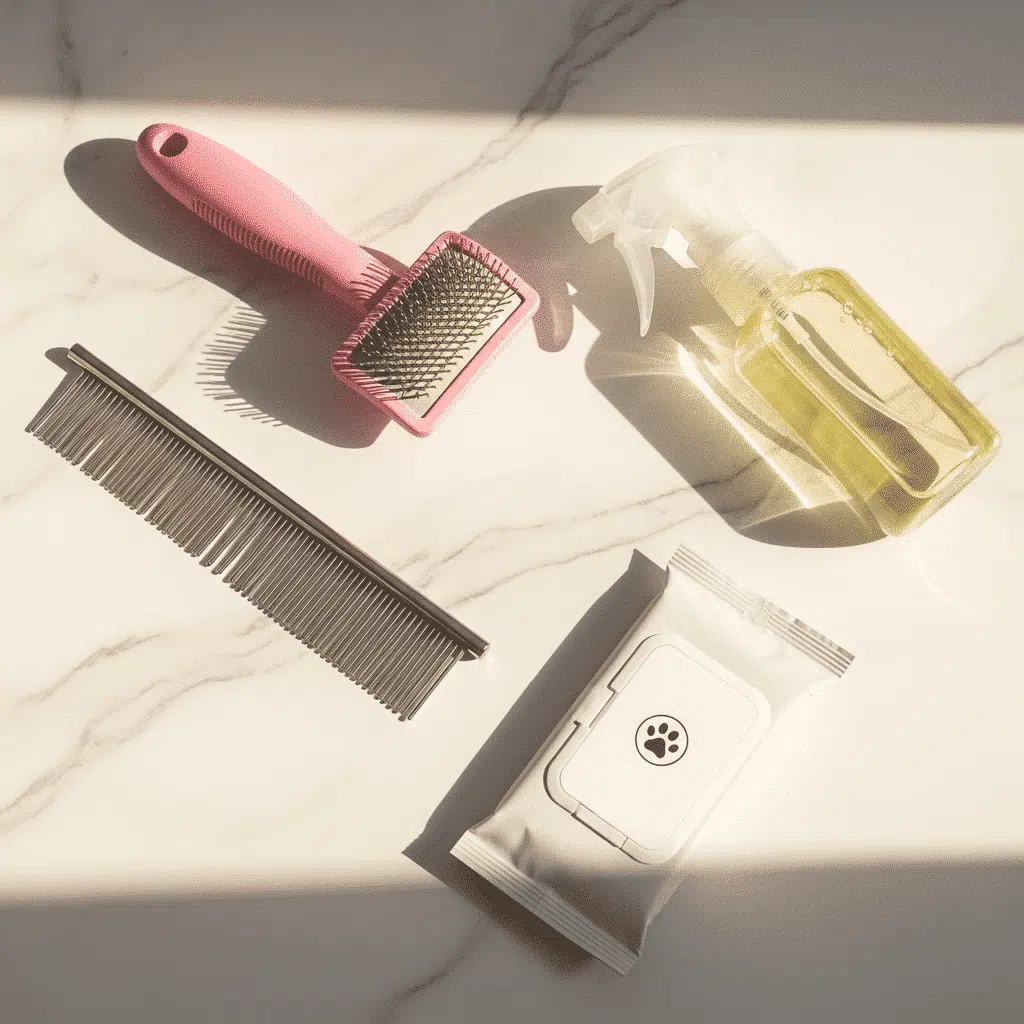
You don’t need a grooming salon’s worth of equipment. These five tools handle everything a doodle puppy needs:
1. Slicker Brush (Your Most Important Tool)
A quality slicker brush removes loose hair and prevents mats before they form. Look for soft, flexible pins that reach through curly coat to the skin without scratching.
What to buy: The Chris Christensen Big G is the gold standard among our professional grooming servicess ($60-80 at pet supply stores or online retailers). For a budget option, any soft-pin slicker with fine, bent pins works—just test it by pressing against your palm. If it hurts, it’s too harsh for your puppy.
Avoid: Cheap rigid slickers from discount stores. They scratch skin and damage coat, which makes puppies hate grooming before they’ve even started.
2. Steel Comb (Your Mat Detector)
The comb tells you if you’ve actually finished brushing. If it glides through, you’re done. If it catches, there’s a tangle hiding underneath.
What to buy: A “greyhound comb” with both wide and fine teeth, rounded tips, and sturdy construction. Should cost $15-30 at any pet store or Petbarn.
3. Detangling Spray
Never brush a dry doodle coat. Dry brushing creates static, breaks hair, and hurts. Always mist first.
What to buy: Any leave-in detangling spray formulated for dogs. Avoid heavy silicones. Light mist—you want damp, not wet. Around $15-25 at pet retailers.
4. Rounded-Tip Scissors
For trimming around eyes, paws, and sanitary areas between professional grooms. Rounded tips are essential—puppies move unexpectedly.
What to buy: Look for grooming scissors specifically designed for dogs with safety tips. $20-40 at pet supply stores.
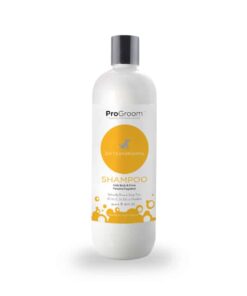
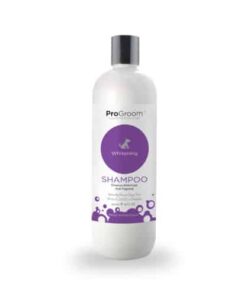
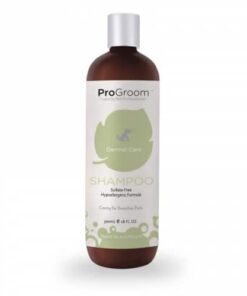
5. Puppy-Friendly dog shampoos
Puppy skin is sensitive. Use a gentle, pH-balanced dog shampoo—not human products, even baby shampoo. Human products have the wrong pH and can irritate puppy skin.
Australian options: Look for Australian-made brands like Everyday Natural or Blackmores Pet at Petbarn, My Pet Warehouse, or your local vet clinic. Sensitive skin formulas work best for puppies.
Total investment: $130-200 for quality tools that will last years.
Step-by-Step Brushing Technique for Doodle Puppies
This is the routine we teach every doodle owner. Five minutes daily beats an hour-long session once a week.
Before You Start
- Have healthy dog treatss ready—make grooming positive from day one
- Detangling spray within reach
- Slicker brush and comb ready
- Puppy on a non-slip surface (bath mat works well)
The 5-Minute Daily Routine
Minute 1: Spray and Legs
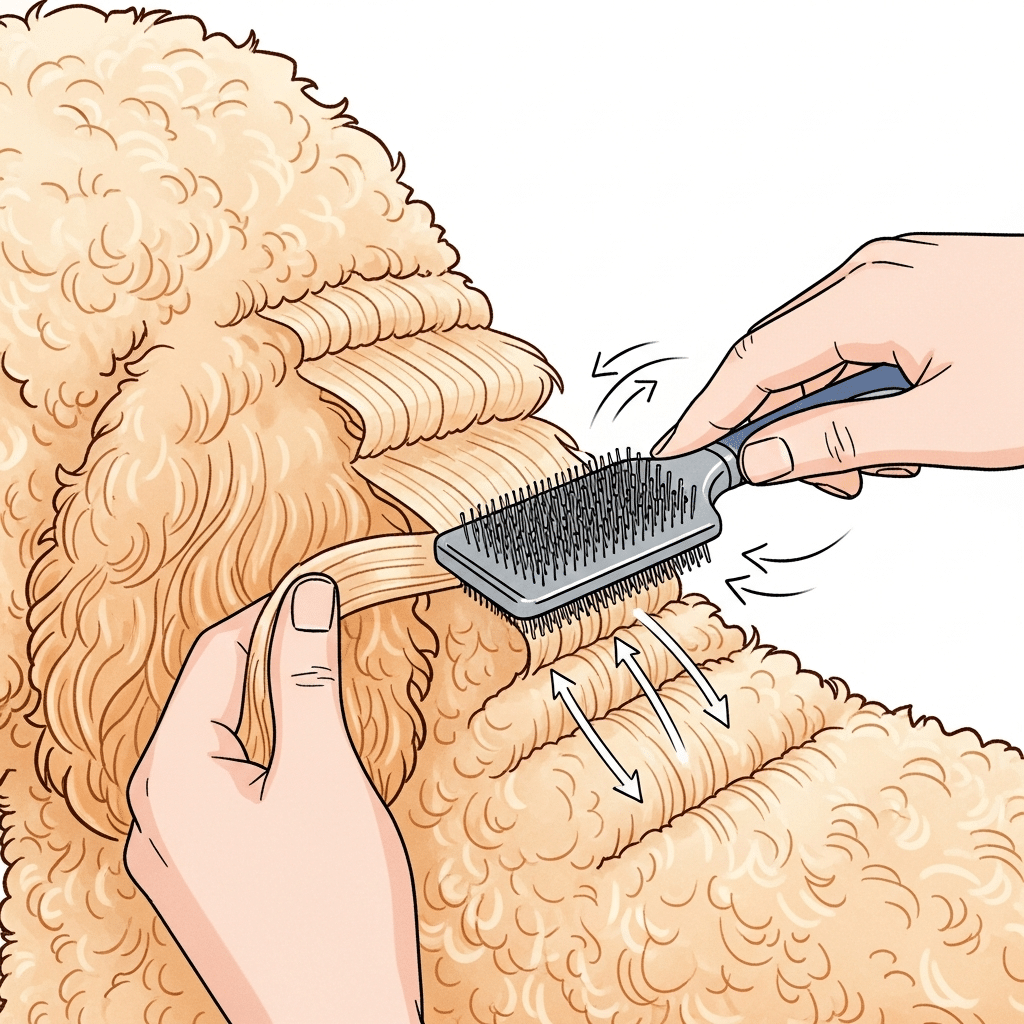
Lightly mist the coat with detangler. Start with back legs—they’re less sensitive, so your puppy can get used to the sensation. Brush from skin to tip, not just the surface. Work in small sections, lifting the coat as you go.
Minute 2: Body and Sides
Move to the body. Part the coat in lines (called “line brushing”) and brush each section from the skin outward. If you’re only brushing the fluffy top layer, you’re missing where mats actually form.
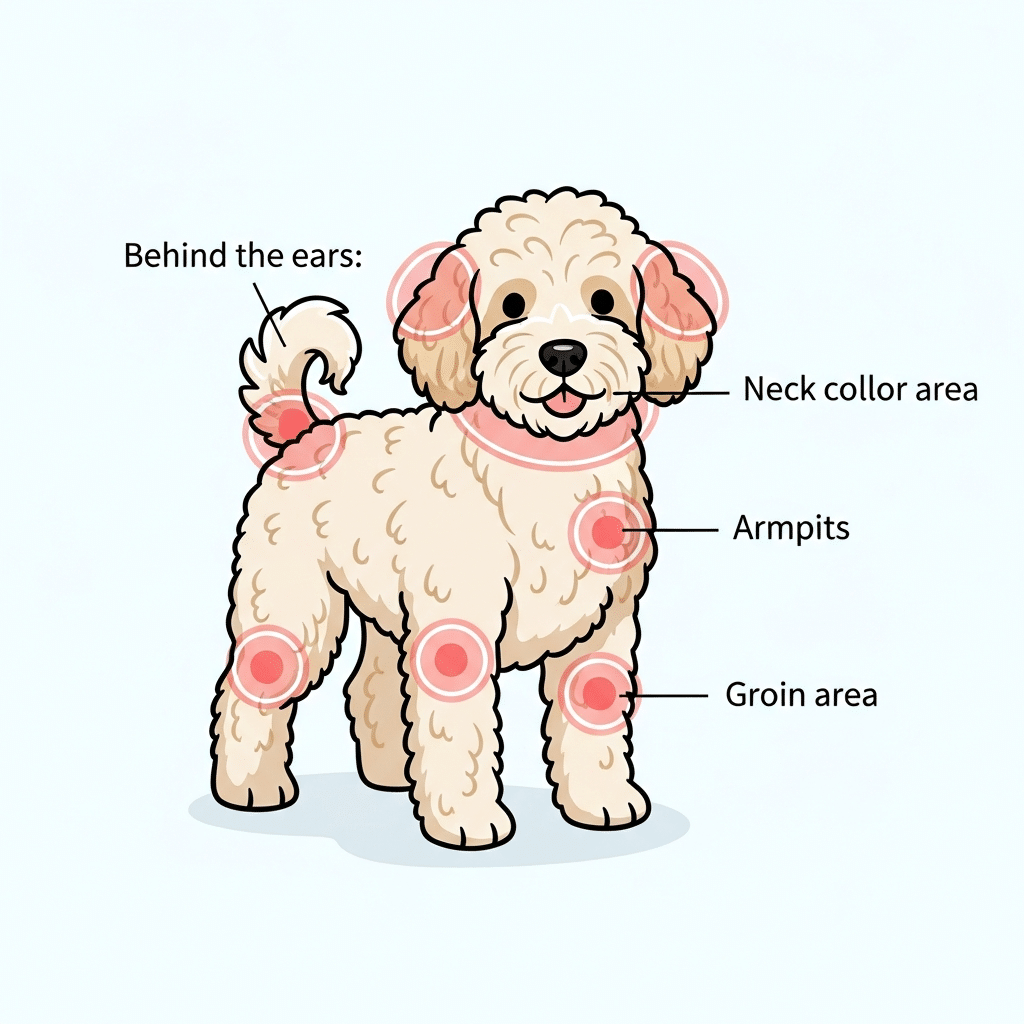
Minute 3: The Mat Zones
These areas mat first. Check them every single time:
- Behind the ears
- Under the collar
- Armpits (front legs)
- Groin area
- Where the harness sits
Minute 4: Chest, Neck, and Face
Be extra gentle around the face. Brush the beard and moustache softly. Don’t forget under the chin—puppies often have food bits caught there.
Minute 5: Comb Test
Put the brush down, pick up the comb. Run it through every area you just brushed. If it catches anywhere, go back to brushing that spot. If it glides through smoothly, you’re actually done.
Weekly Deep Groom (15-20 Minutes)
Once a week, do a more thorough session:
- Everything from the daily routine, plus:
- Brush the tail (often forgotten, always mats)
- Check and wipe ears
- Clean around eyes (doodles are prone to tear staining)
- Inspect paw pads for debris
- Check sanitary area is clean
- Look at skin for any redness or irritation
Bathing Tips for Doodle Puppy Coats
Puppies don’t need frequent baths. Overbathing strips natural oils and can cause dry, itchy skin.
How Often to Bathe
Every 3-4 weeks is plenty for most doodle puppies. If your pup has rolled in something unpleasant, that’s a different story—but routine bathing shouldn’t happen more than monthly.
The Bathing Process
Before the bath: Brush thoroughly first. Water tightens tangles into permanent mats. Never bathe a matted dog—you’ll make it worse.
Water temperature: Lukewarm, not hot. Test it on your inner wrist like you would for a baby’s bottle.
Shampooing:
- Wet the coat completely (doodle coats are dense—take your time)
- Apply shampoo and work it through to the skin
- Avoid getting shampoo in eyes and ears
- Rinse thoroughly—leftover shampoo causes itching
- Rinse again. Then rinse once more. Doodle coats hold product.
Drying: Towel dry first to remove excess water. If using a hairdryer, keep it on cool or low heat and keep moving—don’t focus on one spot. Puppies can overheat quickly.
After the bath: Brush while drying or immediately after. Damp coats are easier to brush and this prevents the coat from drying into tangles.
Preventing Matting and Tangles
Mats form when loose hair tangles with attached hair and friction tightens the tangle. Over time, these become felt-like clumps that pull on the skin.
Why Doodle Puppies Mat
- Infrequent brushing—loose hair builds up with nowhere to go
- Surface-only brushing—mats form at the skin while the top looks fine
- Moisture—wet coat + no proper drying = guaranteed mats
- Friction—collars, harnesses, lying down, scratching
- The coat change—around 6-12 months, puppy coat sheds internally while adult coat grows in
The Coat Change (Critical Period)
This is when most owners hit their first matting crisis. Around 6-12 months, your puppy’s soft coat transitions to their adult coat. The puppy fur sheds internally while new growth comes in, creating the perfect conditions for matting.
Signs the coat change is happening:
- Coat suddenly feels thicker or different
- Mats appearing faster than before
- Brushing takes longer than it used to
- Texture seems to be changing
During coat change, brush daily without exception. This period lasts 2-4 months. Get through it with consistent brushing and maintenance becomes easier afterward.
How to Handle Small Mats
If you find a small mat (marble-sized):
- Isolate it with your fingers
- Spray liberally with detangling spray
- Wait 2 minutes—let the product work
- Hold the base of the mat against the skin (this prevents pulling)
- Work from the outside edges inward with your fingers first
- Brush through once loosened
- Comb test to confirm it’s gone
Never cut mats with regular scissors. We see this injury at the salon regularly—skin pulls up into the mat and owners accidentally cut it. If the mat is bigger than a golf ball or feels tight to the skin, book a professional grooming appointment.
When to DIY vs Visit a Professional Groomer
Home grooming is essential, but it doesn’t replace professional care. Here’s how to know when to handle it yourself and when to book a grooming appointment.
Handle at Home
- Daily and weekly brushing
- Face wiping and tear stain cleaning
- Small tangles caught early
- Sanitary area trimming (with rounded scissors)
- Paw pad checks and cleaning
- Ear wiping (outer ear only)
Book a Professional
- Haircuts and clipping
- Mats you can’t safely remove
- Nail trimming (unless you’re confident and trained)
- Deep ear cleaning
- Full bathing and blow-dry (professional dryers are faster and more effective)
- The first groom—puppy introduction sessions build positive associations
Professional Grooming Schedule
| Coat Type | Recommended Interval |
|---|---|
| Wool (tight curls) | Every 4-6 weeks |
| Fleece (soft waves) | Every 6-8 weeks |
| Hair (mostly straight) | Every 8-10 weeks |
If you’re finding mats between appointments despite regular home brushing, book more frequently.
What to Expect at a Puppy’s First Professional Groom
Most groomers offer “puppy introduction” appointments for dogs under 16 weeks. These short sessions (15-30 minutes) introduce your pup to the grooming environment without overwhelming them: standing on the table, hearing clippers, feeling different brushes, getting treats.
A full groom at an Australian salon typically includes:
- Bath with appropriate puppy shampoo
- Blow dry
- Full brush and demat
- Haircut to your preferred style
- Face, feet, and sanitary trim
- Ear cleaning
- Nail trim
Expect to pay $80-150 depending on size and coat condition. If significant dematting is required, there’s usually an additional charge—which is why home maintenance between grooms saves you money.
Seasonal Considerations for Australian Doodle Owners
Summer (December – February)
Heat is your concern. Consider a shorter clip for comfort—talk to your groomer about a “summer cut.” If your doodle swims (beach, pool, dam), rinse thoroughly afterward. Salt and chlorine damage coats. Dry completely after any water to prevent mats and hot spots.
Autumn and Spring
Watch for grass seeds after walks. They’re common in Australian parks and can embed in ears, paws, and armpits. Check your puppy after every outdoor session, especially between toes and in ear canals.
Winter (June – August)
Fuller coats are fine, but they still mat. Don’t assume less grooming is needed just because it’s cold. After wet walks, dry thoroughly. A damp doodle coat in winter is a matted doodle coat by morning.
Getting Your Doodle Puppy Used to Grooming
Start handling your puppy from day one. Touch their paws, ears, muzzle, and tail regularly—not just during grooming. Make it normal.
If your puppy resists brushing:
- Days 1-3: Just touch them with the brush, give a treat, done
- Days 4-7: A few gentle strokes, treats, done
- Week 2+: Gradually increase, always ending on a positive note
Keep sessions short. Five calm minutes beats fifteen stressful ones. Stop while it’s still going well.
Most puppies who “hate grooming” had a painful experience—harsh brush, pulled mat, scary noise. If that’s your situation, rebuild trust slowly. It’s worth the patience.
Your Doodle Grooming Quick Reference
Daily (5 minutes):
- Mist with detangling spray
- Line brush entire coat, reaching skin
- Focus on mat zones: ears, collar, armpits, groin
- Comb test to verify
Weekly (15-20 minutes):
- Full deep brushing session
- Tail, ears, eyes, paws check
- Sanitary area inspection
Monthly:
- Bath (if needed—don’t overdo it)
- Full body skin check
Every 4-8 weeks:
- Professional grooming appointment
That’s the system. Five minutes daily, a bit more weekly, and regular professional grooms. Stick to it and you’ll have a happy, mat-free doodle—and a groomer who’s glad to see you rather than dreading the dematting job.
About WoofSpark: We’re professional groomers in Australia who’ve made doodles our specialty. With over 3,000 doodle grooms under our belt, we’ve seen what works and what doesn’t. Questions about your doodle puppy’s coat? Ask us at your next appointment or visit www.woofspark.com.au.
DIY Tool We Actually Use
For touch-ups between professional grooms, our DIY Dog Grooming Clipper Set is a budget-friendly option at just $48. It’s lightweight, cordless, and easy to handle—perfect for paw pads, sanitary trims, and face tidying. Every groomer at our Cessnock salon keeps one in their kit for quick jobs. We’d never recommend something we don’t use ourselves.

Recommended Grooming Tools
Professional-quality tools to keep your dog’s coat looking great at home.
Skip the Guesswork. Start With the Right Tools.
The Cavoodle Puppy Kit is everything Marine wishes new owners had from the start. The right brush for a doodle coat, salon-grade shampoo, and a voucher for their first professional groom. Three tiers: Essential ($69), Complete ($149), and Premium ($249).
See What’s in the Kit