

Dog Care
New Year Dog Resolutions: 8 Ways to Improve Your Pet’s Life in 2026

Jan
1. Build a Consistent Exercise Routine
Your dog doesn’t need marathon training sessions. They need predictability and variety.
Why it matters: Dogs thrive on routine. When exercise is sporadic—a big adventure on Saturday, nothing for three days—it creates pent-up energy that often shows up as behavioural issues. Destructive chewing, excessive barking, and restlessness are frequently exercise problems in disguise.
How to start:
- Set a non-negotiable daily minimum. Even 15 minutes counts.
- Block it in your calendar like any other appointment.
- Mix up the activities: walks, fetch, tug, swimming, or backyard play.
Maintain momentum: Track it. A simple tick on the calendar each day you exercise your dog creates accountability. After three weeks, you’ll have a streak you won’t want to break. On days when weather or time works against you, indoor games—hide and seek with healthy dog treatss, stair climbing, or tug—keep the streak alive.
2. Upgrade Your Dog’s Nutrition
That bag of kibble you’ve been buying for years? It might be time for a review.
Why it matters: Nutrition affects everything—coat quality, energy levels, digestive health, even behaviour. Dogs’ needs change with age, activity level, and health status. What worked at two years old might not be optimal at seven.
How to start:
- Read the ingredients list on your current food. Meat should be first.
- Check portion sizes against the guidelines for your dog’s ideal weight (not their current weight if they’re overweight).
- Audit the treats. Those daily extras add up—treats should be no more than 10% of daily calories.
Maintain momentum: Keep a simple food diary for the first month. Note energy levels, stool quality, and coat condition. You’ll quickly spot what’s working. Consider consulting your vet about whether your current food matches your dog’s life stage and health needs.
3. Prioritise Dental Health
Eighty percent of dogs show signs of dental disease by age three. That’s not a typo.
Why it matters: Dental problems don’t stay in the mouth. Bacteria from infected gums can travel to the heart, kidneys, and liver. Beyond the health risks, dental disease causes chronic pain that dogs often hide until it becomes severe. Yellow teeth and bad breath aren’t just cosmetic—they’re warning signs.
How to start:
- Lift your dog’s lip and look at their teeth. Red gums, brown buildup, or wobbly teeth need professional attention.
- Introduce toothgrooming brushes and toolsing gradually. Even twice a week makes a measurable difference.
- Add dental chews as a health supplements, not a replacement for brushing.
Maintain momentum: Schedule a professional dental check with your vet. Mark it in your calendar now—February or March—before the year gets away from you. At home, pair toothbrushing with another daily habit (after your own brushing, perhaps) so it becomes automatic.
4. Schedule Preventative Vet Care
That annual check-up is easy to skip when your dog seems fine. Don’t.
Why it matters: Dogs age faster than humans, and they’re experts at hiding discomfort. An annual vet visit can catch issues—joint problems, organ changes, dental disease, weight creep—before they become painful or expensive. Early detection changes outcomes.
How to start:
- Book the appointment now. Seriously, pause and do it. Don’t rely on “I’ll remember later.”
- Write down any observations to discuss: changes in eating, drinking, energy, or behaviour.
- Ask about appropriate preventative care for your dog’s age and lifestyle.
Maintain momentum: Set a recurring annual reminder in your phone. Book next year’s appointment before you leave the clinic. Prevention costs less than treatment—both in dollars and in stress for your dog.
5. Invest in Ongoing Training
Training isn’t just for puppies. Adult dogs benefit from learning throughout their lives.
Why it matters: Mental stimulation is as tiring as physical exercise. Training strengthens your bond, builds your dog’s confidence, and gives them clear communication about what you expect. Even “well-trained” dogs can brush up on skills or learn new tricks that keep their minds sharp.
How to start:
- Pick one skill to work on this month. Reliable recall? A solid “stay”? A fun party trick?
- Keep sessions short—five minutes of focused training beats a frustrating hour.
- Use high-value rewards. Training should be fun, not a chore.
Maintain momentum: Join a local training class for accountability and socialisation. No class available? YouTube trainers like Kikopup or Zak George offer free guidance. Schedule two 5-minute sessions daily—before breakfast and before dinner works well.
6. Commit to a Grooming Routine
Grooming isn’t vanity. It’s health maintenance.
Why it matters: Regular brushing prevents matting (which is painful), distributes natural oils, and lets you spot problems early—lumps, skin irritation, parasites, ear infections. our professional grooming services ensures the tricky bits get proper attention: nails, ears, sanitary areas, and breed-specific coat care.
How to start:
- Determine the right brushing frequency for your dog’s coat type. Long coats need daily attention; short coats might need weekly.
- Check ears, eyes, and nails each week.
- Book a professional grooming session to establish a baseline and get expert advice on home maintenance.
Maintain momentum: Keep grooming supplies accessible—not buried in a cupboard. A brush by the couch means you’ll actually use it during TV time. Set reminders for professional groom appointments every 4-8 weeks depending on your dog’s needs.
7. Enhance Daily Enrichment
A tired dog isn’t necessarily a fulfilled dog. Mental engagement matters.
Why it matters: Dogs evolved to work—hunting, herding, guarding. Modern pet life often leaves that mental capacity underutilised, leading to boredom behaviours. Enrichment fills that gap, reducing anxiety and destructive habits while building confidence.
How to start:
- Replace the food bowl with a puzzle feeder or snuffle mat. Meals become mental workouts.
- Add “sniff walks” to your routine—let your dog lead and explore at their own pace.
- Introduce one new experience monthly: a new park, a dog-friendly café, or a different walking route.
Maintain momentum: Rotate toys rather than leaving everything out at once. “New” toys from storage are exciting. DIY enrichment works too—a muffin tin with treats hidden under tennis balls, or a cardboard box filled with scrunched paper and kibble scattered through it.
8. Build Your Dog’s Social Connections
Dogs are social animals. Isolation affects their wellbeing.
Why it matters: Appropriate socialisation—with other dogs and with new people, places, and experiences—builds confidence and reduces fear-based reactivity. Dogs who regularly interact with others are generally calmer and more adaptable.
How to start:
- Arrange playdates with dogs your pup already gets along with.
- Consider our dog daycare for regular social interaction, especially if you work long hours.
- If your dog struggles with other dogs, seek professional help now rather than hoping they’ll “grow out of it.”
Maintain momentum: Socialisation should be positive, not overwhelming. Watch your dog’s body language—if they’re stressed, scale back. Quality matters more than quantity. For puppies or recently adopted dogs, our puppy socialisation guide covers the foundations in detail.
Making Your Dog New Year Goals Stick
The difference between resolutions that fade by February and ones that actually transform your dog’s life comes down to three things:
Start small. Pick two resolutions, not eight. Master those before adding more.
Make it easy. Keep grooming supplies visible. Pre-schedule vet and grooming appointments. Remove friction wherever possible.
Track progress. A simple calendar tick, a notes app, or a dedicated pet journal—whatever works. Seeing consistency builds motivation.
Your dog won’t know it’s a new year. But by December, they’ll feel the difference: more energy, better health, and a stronger bond with you. That’s worth showing up for.
Ready to Tick Off Resolution #6?
Start your dog’s grooming routine with a professional session. Our experienced groomers will assess your dog’s coat condition, address any matting or skin concerns, and recommend a home maintenance schedule that works for your lifestyle.
Celebrate Your Dog
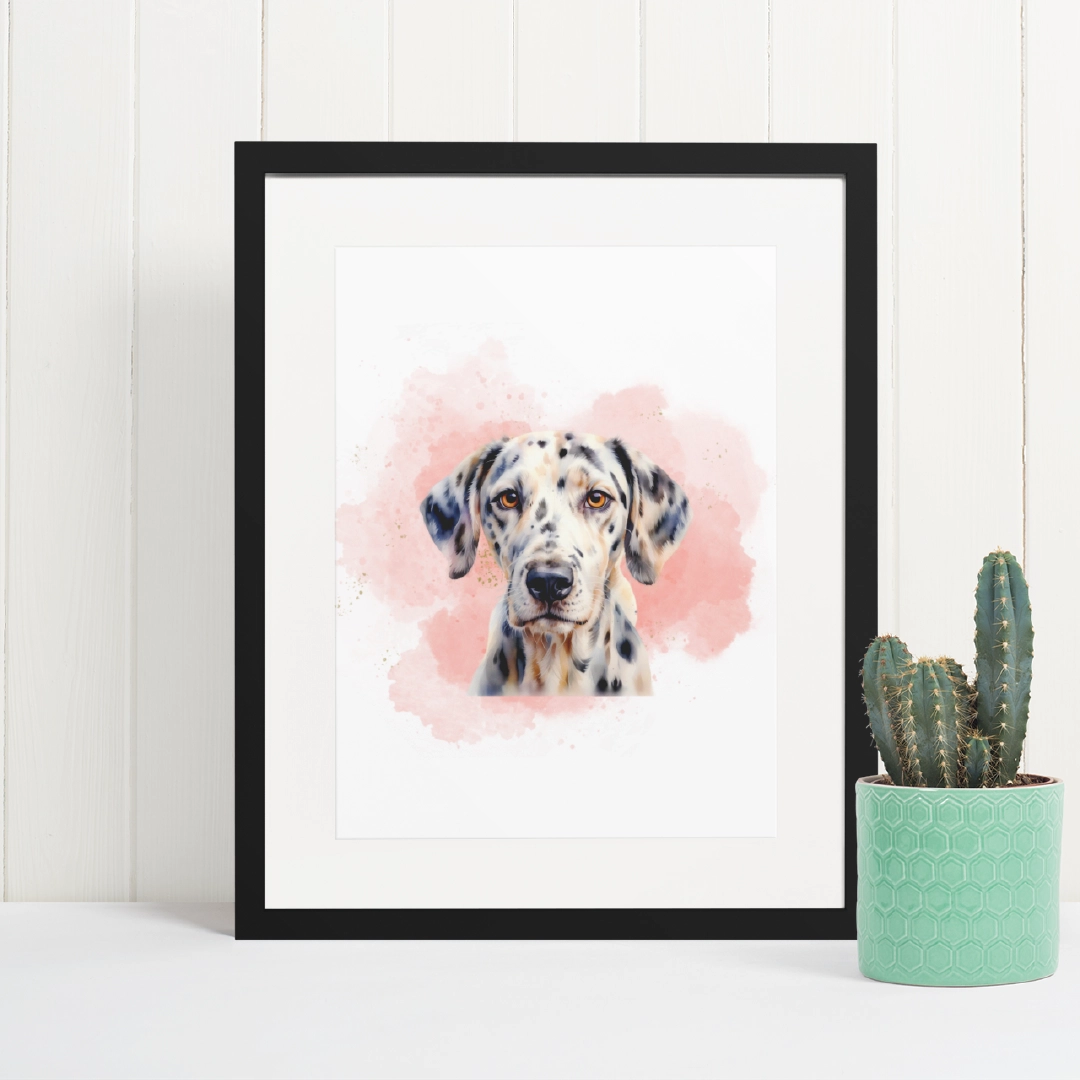
Want to celebrate your pup? Our Custom Watercolour Dog Portraits (from $75.90) turn your favourite photo into framed artwork. Each portrait is custom-created—a perfect gift for any dog lover.
Book your appointment online or get in touch if you have questions about which service suits your dog.
FAQ
How many new year resolutions should I set for my dog?
Start with one or two. Seriously. It’s tempting to overhaul everything at once, but sustainable change comes from building habits gradually. Once your first resolution feels automatic—usually after 4-6 weeks—add another.
What if my dog resists changes like teeth brushing or new foods?
Go slower. Introduce changes gradually with positive associations. For toothbrushing, start by letting them lick dog-safe toothpaste off your finger for a week before introducing the brush. For food changes, transition over 7-10 days, mixing new food with old in increasing ratios. Force creates resistance; patience creates acceptance.
Are these resolutions suitable for senior dogs?
Absolutely. Older dogs benefit from all eight areas—though the specifics might differ. Senior dogs may need gentler exercise, more frequent vet checks, and softer enrichment activities. The principles remain the same: consistency, quality care, and engagement improve quality of life at any age.
How do I stay motivated when life gets busy?
Build resolutions into existing routines. Brush your dog’s teeth after your own. Do a training session while the kettle boils. Walk before breakfast rather than trying to fit it in later. When habits attach to existing behaviours, they’re harder to skip.
Internal links included:
Schema markup: Article + FAQ schema ready