
Dog Care
How to Prepare Your Dog for a Grooming Appointment
Jan
Before You Book: Know Your Dog
Not every dog needs the same grooming approach. Before you make that booking, take stock of what makes your individual dog tick.
Assess Your Dog’s Temperament
Be honest about how your dog handles new situations:
- Confident dogs adapt quickly to the salon environment. They might be curious about the other dogs, enjoy the attention, and take the dryers and clippers in stride.
- Nervous dogs need extra time and patience. They may tremble, try to hide, or become defensive when stressed.
- Senior dogs often require gentler handling and more frequent breaks.
- Puppies are still learning about the world—their first few grooms shape their attitude toward grooming for life.
When you book, mention any temperament concerns. A good salon will adjust their approach, whether that means scheduling extra time, using quieter equipment, or having their most patient groomer handle your dog.
Understand Your Dog’s Grooming Needs
Before your appointment, think about:
- Coat condition: Has it been a while since the last groom? Are there mats forming?
- Specific concerns: Tear staining, skin sensitivities, areas they don’t like touched.
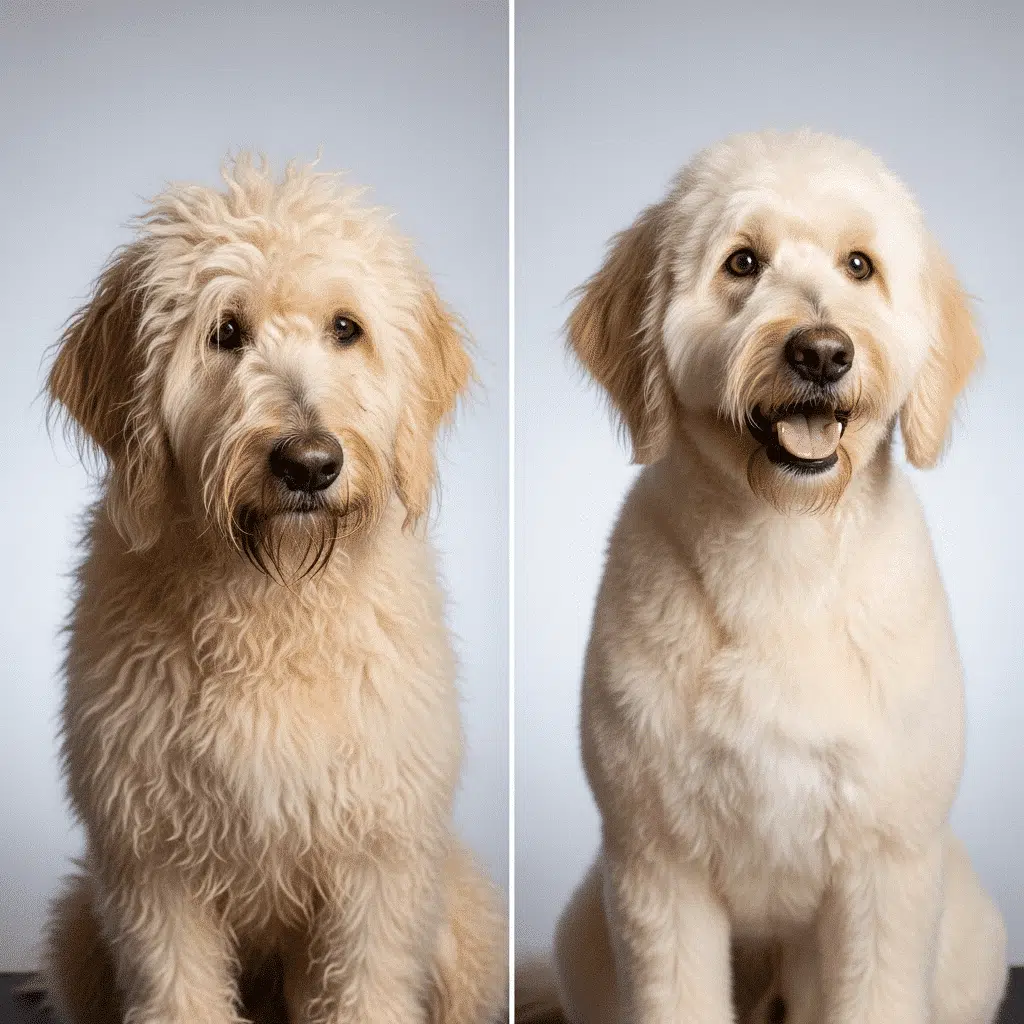
- Style preferences: Know what length you want and bring photos if possible.
If you’re unsure what your dog needs, just ask. We’d rather answer questions than have you leave disappointed.
Preparing Nervous or Anxious Dogs
Some dogs simply find grooming stressful. If that’s your pup, the preparation you do at home matters even more.
Desensitisation at Home
Start exposing your dog to grooming-like experiences in a positive, low-pressure way:
Touch exercises: Handle your dog’s paws, ears, tail, and muzzle regularly. Touch between their toes. Do this during calm moments while giving healthy dog treatss and praise.
Sound exposure: Play recordings of clippers and dryers at low volume while your dog eats or plays. Gradually increase the volume over days or weeks.
Equipment introduction: Let your dog sniff and investigate grooming brushes and toolses, combs, and other tools. Turn clippers on near them (not touching) so they learn the vibration isn’t scary.
Handling practice: Hold your dog in different positions—standing, lying on their side, lifting a paw. Reward calmness.
For puppies, start this from day one. For adult dogs with grooming anxiety, take it slow and consider working with a positive-reinforcement trainer. Our puppy socialisation guide covers the foundational experiences that help create confident adult dogs.
Physical Preparation: The Day Before and Morning Of
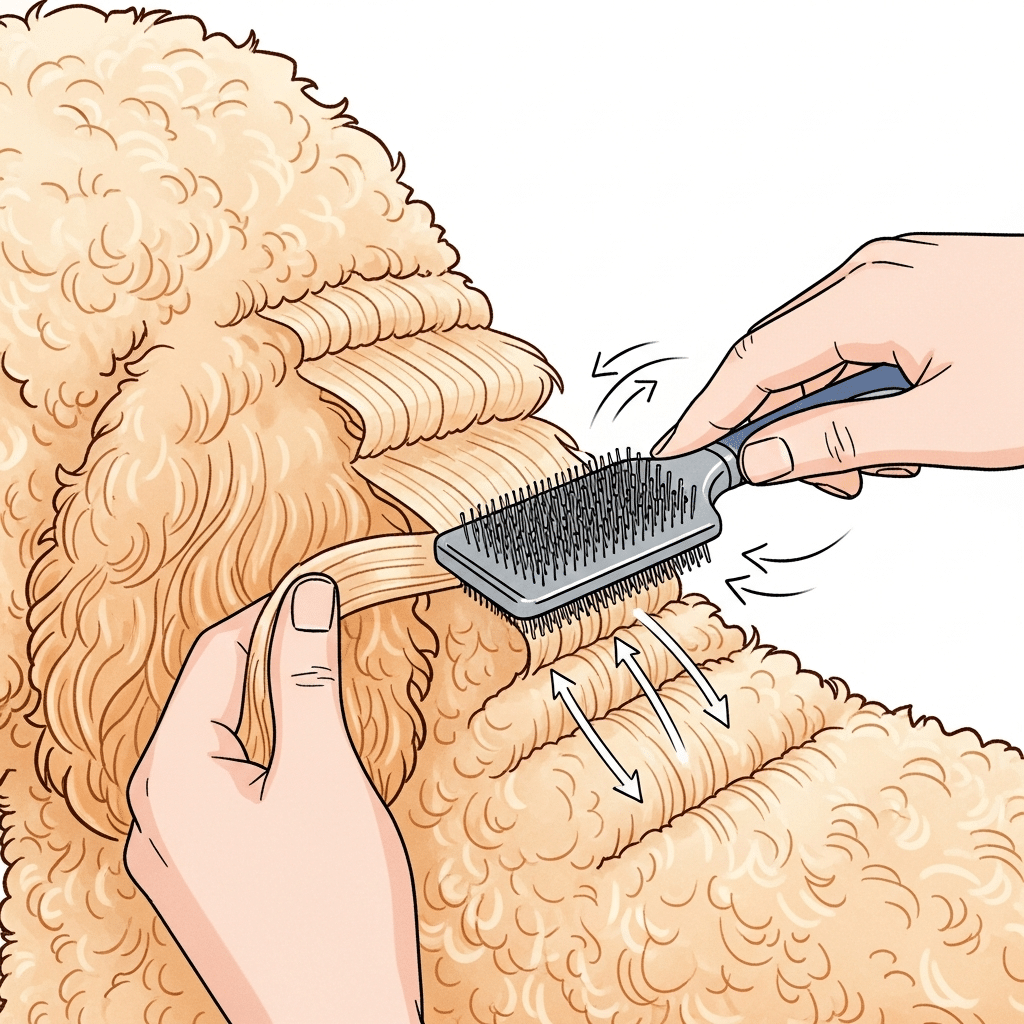
A little preparation at home makes the grooming process smoother for everyone.
Pre-Groom Brushing
We always appreciate clients who brush their dogs before appointments:
- Removes loose hair and surface tangles so we can focus on detailed work
- Lets us see the true coat condition rather than working through debris
- Reduces overall grooming time which means less stress for your dog
You don’t need to do a full, professional-level brush. Even 10-15 minutes the day before helps. Pay attention to mat-prone areas: behind ears, under the collar, armpits, and the back of the legs.
That said, don’t tackle serious mats yourself. Pulling at them hurts and can make your dog dread brushing. Leave the tough stuff to us.
Exercise Before the Appointment
A tired dog is a calmer dog. Before your appointment:
- Take a moderate walk – enough to burn off excess energy, but not so much they’re exhausted
- Let them toilet – dogs hold on during grooming, so give them a chance to go beforehand
- Avoid overstimulation – skip the dog park if it makes your dog hyperactive
Feeding Schedule
- Feed a few hours before the appointment, not right before. A full stomach plus handling can cause nausea.
- Bring treats if your dog is food-motivated. We often use treats to reward cooperation.
- Skip breakfast entirely for dogs prone to car sickness or anxiety-related tummy upsets.
What to Bring to Your Grooming Appointment
Always Bring
- Your dog on a secure lead – even if they’re friendly, car parks and salon entry points need controlled access
- Vaccination records (if it’s your first visit or they’re due for renewal)
- Contact number where you can be reached
Helpful to Bring
- Photos of your preferred style or previous grooms you liked
- Their favourite treats for rewards
- A comfort item for anxious dogs (though we can’t guarantee it won’t get wet)
- Notes on sensitivities – allergies, areas they don’t like touched, skin conditions
Understanding the Grooming Process
Knowing what your dog will experience helps you prepare them and set realistic expectations.
The Typical Grooming Process
- Check-in: We discuss what you want, note any concerns, and assess coat condition.
- Pre-bath prep: Clipping may happen before or after the bath. Severe mats often need removing first.
- Bath: Your dog is bathed with appropriate dog shampoos matched to coat type and skin needs.
- Drying: High-velocity dryers are louder but faster and more effective. We use lower settings for nervous dogs.
- Grooming: Brushing, scissoring, clipping, and styling according to your requests.
- Finishing touches: Ear cleaning, nail trim, sanitary trim, and a spritz of dog colognes and fragrances.
The whole process takes 1.5 to 3 hours depending on breed, size, and coat condition. A proper groom isn’t just a haircut—it’s a full pamper session.
Communicating With Your Groomer
Clear communication prevents disappointment and ensures your dog gets the best care.
Be Specific About Style
“Short but not too short” means different things to different people. Instead, try:
- “I want 2cm left all over”
- “The same length as last time”
- “Short on the body, keep the legs fluffy”
- Bring photos—worth a thousand words
Share Medical Information
Tell us about lumps, bumps, or sore spots we should work around. Mention skin conditions, joint issues, or medications that might affect behaviour.
Mention Behavioural Quirks
Help us help your dog by sharing things like “She hates having her feet touched” or “He gets nippy around his face.” We can adapt our approach and take extra time with problem areas.
Building Positive Grooming Associations
The goal isn’t just surviving each grooming appointment—it’s creating a dog who genuinely doesn’t mind the process.
Start Young
Puppies should have their first professional groom around 12-16 weeks, after their second vaccination. These early “puppy intros” focus on positive exposure rather than full grooms—getting comfortable on the grooming table, experiencing the sounds, and building confidence gradually.
Our Cavoodle Puppy Kit includes everything new puppy owners need to start home grooming routines that complement professional care.
Stay Consistent
Regular grooming appointments (every 4-8 weeks depending on breed) help your dog see grooming as routine rather than a rare, scary event. Dogs thrive on predictability.
Keep Calm at Drop-Off
Dogs read your energy. If you’re anxious or making a big emotional production of saying goodbye, your dog picks up that something is wrong. Arrive on time, hand over the lead confidently, and keep goodbyes brief and upbeat.
Reward After
Create a positive association by doing something your dog loves after grooming—a favourite walk, a special treat, or extra playtime. Over time, they’ll learn: grooming leads to good things.
Your Dog’s Best Groom Starts at Home
The effort you put into preparation pays off in a calmer dog, a better grooming result, and a more pleasant experience all around. Whether it’s your dog’s first groom or their fiftieth, these steps help ensure every appointment goes smoothly.
Every dog is different. Some pups bounce into the salon ready for their pamper session; others need patience and encouragement. Either way, we’re here to work with you and your dog to make grooming a positive experience.
Browse our shop for professional-grade brushes, shampoos, and coat care products to maintain your dog’s groom between appointments.
If you’re unsure whether your dog needs professional attention, send us a photo through our contact page. We’re happy to advise.
Ready to book your dog’s next grooming appointment?
Our team at WoofSpark specialises in creating positive grooming experiences for dogs of all temperaments. We’re here to help your pup look and feel their best.
Recommended Grooming Tools
Professional-quality tools to keep your dog’s coat looking great at home.


Skip the Guesswork. Start With the Right Tools.
The Cavoodle Puppy Kit is everything Marine wishes new owners had from the start. The right brush for a doodle coat, salon-grade shampoo, and a voucher for their first professional groom. Three tiers: Essential ($69), Complete ($149), and Premium ($249).
See What’s in the Kit