

Health & Wellness
Common Doodle Skin Problems: What Groomers See and How to Help
Jan

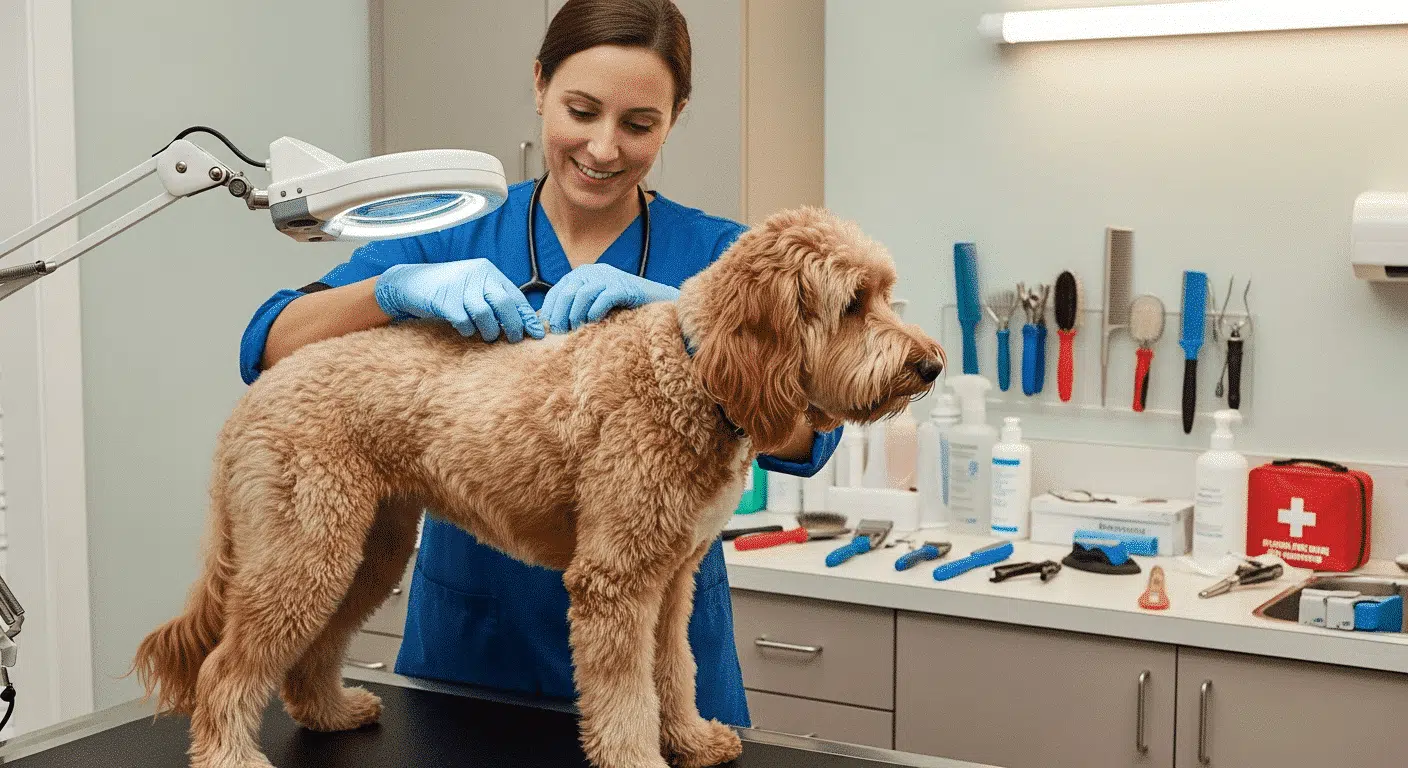
Doodles — Cavoodles, Labradoodles, Groodles, and all their curly-coated cousins — are wonderful dogs. But that gorgeous fleece coat can hide skin issues that we groomers see regularly.
Here’s what we encounter most often and what you can do about it.
Why Doodles Are Prone to Skin Issues
Several factors contribute:
- Dense, curly coats — Trap moisture, heat, and allergens close to skin
- Less air circulation — Skin doesn’t “breathe” as easily
- Inherited sensitivities — Both Poodles and many partner breeds (Labs, Goldens, Spaniels) are prone to allergies
- Matting — When coats mat, skin can’t be cleaned or treated properly
1. Allergies (Environmental and Food)
What we see: Red, irritated skin (especially belly, paws, ears). Recurring ear infections. Excessive scratching, licking, or chewing. Watery eyes.
Common triggers:
- Environmental: Grass, pollen, dust mites, mould
- Food: Chicken, beef, grains, dairy
- Contact: Certain shampoos, lawn chemicals
What helps:
- Work with your vet to identify triggers (may need allergy testing)
- Consider hypoallergenic diet trial
- Wipe paws after outdoor walks
- Regular bathing with gentle, hypoallergenic shampoo
- Keep coat well-maintained — mats trap allergens
- Omega-3 supplements can reduce inflammation. See: Best Treats for Coat Health
2. Hot Spots (Acute Moist Dermatitis)
What we see: Red, weeping, painful patches that seem to appear overnight. Often smell bad. Dog won’t stop licking/chewing the area.
Common causes:
- Moisture trapped in coat (after swimming, rain, baths)
- Matting preventing skin from drying
- Allergic reaction
- Insect bites
- Minor wound that gets licked obsessively
What helps:
- Clip hair around the hot spot (careful — this can be painful)
- Clean with gentle antiseptic
- Keep dry and open to air
- Prevent licking (cone or e-collar)
- See vet if large, spreading, or not improving
- Prevention: Dry your doodle thoroughly after baths/swimming, maintain mat-free coat
Marine’s Pro Tip
“When a doodle comes into my salon with skin issues, the first thing I check isn’t the skin — it’s the coat underneath. Matting traps moisture against the skin and creates a breeding ground for yeast and bacteria. Better brushing habits fix half of what owners think are skin problems.”
— Marine Ponchaut, Professional Groomer · 16,472+ appointments
3. Yeast Infections
What we see: Greasy, smelly skin (often described as “corn chip” or “musty” smell). Brown/red staining, especially between toes and in ear folds. Chronic ear infections.
Why doodles? Yeast thrives in warm, moist environments. Those dense coats and floppy ears create perfect conditions.
What helps:
- Vet diagnosis and appropriate treatment (antifungal shampoos, sometimes oral medication)
- Keep ears clean and dry
- Reduce sugar/carbs in diet (yeast feeds on sugar)
- Thorough drying after baths
- Regular grooming to improve air circulation
4. Ear Infections
What we see: Smelly, gunky ears. Head shaking, scratching at ears. Redness inside ear canal.
Why so common in doodles? Floppy ears + hair growing in ear canal + moisture = bacteria and yeast paradise.
What helps:
- Regular ear cleaning (weekly for prone dogs)
- Ear hair plucking or trimming (ask your groomer)
- Dry ears thoroughly after swimming/bathing
- See vet for infections (they often need medicated drops)
- Address underlying allergies if ears are chronically affected
5. Mat-Related Skin Issues
What we see: Skin irritation, sores, or infections hidden under matted fur. When mats are removed, we sometimes find raw, damaged skin beneath.
How mats damage skin:
- Pull constantly on skin, causing irritation
- Trap moisture, dirt, and bacteria
- Prevent air circulation
- Hide developing problems
Prevention: The only solution is preventing mats in the first place. For doodles, this means:
- Daily brushing — See our frequency guide
- Regular professional grooming — Every 4-6 weeks
- Proper technique — Brush to the skin, not just the surface
- The right tools — Slicker brush and steel comb
For complete mat prevention, see: How to Remove and Prevent Mats
6. Dry, Flaky Skin
What we see: Dandruff, especially noticeable when brushing. Skin feels tight or dry to touch.
Common causes:
- Over-bathing (strips natural oils)
- Harsh shampoos
- Low humidity (especially in winter)
- Nutritional deficiency
- Dehydration
What helps:
- Reduce bathing frequency (every 4-6 weeks for most doodles)
- Use moisturising, oatmeal-based shampoos
- Add omega-3 to diet — see How Diet Affects Skin
- Ensure adequate water intake
- Use a humidifier in dry seasons
- Regular brushing to distribute natural oils
7. Sebaceous Adenitis
What we see: Rare but worth knowing. Scaly, flaky skin with hair loss. Coat becomes dull and brittle. More common in Standard Poodles (and therefore doodle mixes).
This is an immune-mediated condition where the body attacks the oil glands. It requires veterinary diagnosis and management — there’s no cure, but it can be managed with special bathing protocols and oils.
When to See the Vet
See your vet promptly if you notice:
- Hair loss (especially in patches)
- Open sores or wounds
- Severe or spreading redness
- Strong odour despite bathing
- Constant scratching/licking that won’t stop
- Ear discharge or constant head shaking
- Any rapid change in skin condition
Turn Your Doodle Into Art
Dealing with skin issues is stressful. Here’s something to brighten your day — turn your favourite photo of your doodle into beautiful custom art. Free, no credit card, delivered in minutes.
Create Your Free Portrait100% free · No credit card · 590+ portraits created
Prevention Checklist for Doodle Skin Health
The best approach is prevention:
- ✅ Daily brushing — Maintains coat, allows early problem detection
- ✅ Regular professional grooming — Every 4-6 weeks
- ✅ Thorough drying — After baths, rain, swimming
- ✅ Quality diet — With omega-3 supplementation
- ✅ Ear maintenance — Weekly cleaning for prone dogs
- ✅ Mat prevention — Mats hide and cause skin problems
- ✅ Regular skin checks — Part the fur and look at the skin
For breed-specific care guides, see: Cavoodle | Labradoodle | Groodle | Bernedoodle | Cockapoo
The Bottom Line
Doodles are worth the extra skin care attention. Their dense coats require more maintenance, but with regular grooming and early intervention, most skin issues are preventable or manageable.
Want the complete doodle maintenance routine? Our free Doodle Coat Care Guide covers daily brushing, skin checks, and everything you need for a healthy coat.
Sensitive Skin Solution
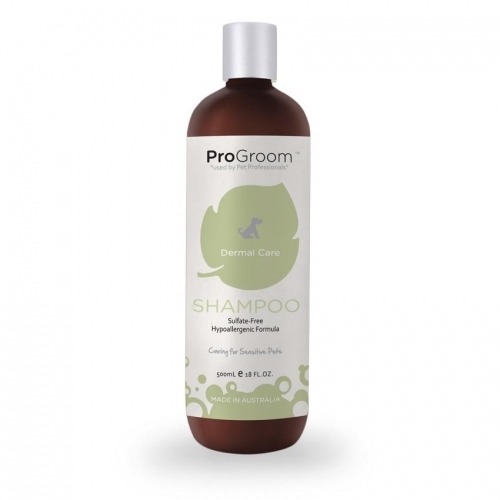
For dogs with sensitive or problem skin, Progroom Dermal Care Shampoo ($42.95) is formulated to soothe irritation while gently cleansing. We recommend it for dogs with allergies, hot spots, or general skin sensitivity.
Related Reading
Continue exploring our grooming guides:
- Doodle Tear Stains: Causes and Solutions
- Doodle Matting: Prevention and Treatment Guide
- Doodle Ear Care: Prevention and Treatment
Ready to book a professional grooming session? Book your appointment or view our services.
Pingback: Doodle Anxiety: How to Help Your Dog