
Breed Guides
Swimming and Coat Care for Doodles: The Complete Guide
Jan
Meta description: Love watching your doodle swim? Learn how to protect their coat from pool chlorine, salt water, and lake bacteria. Professional tips for post-swim care that prevents matting and skin issues.
Doodles and water go together like summer and ice cream. That Poodle heritage gives most doodles a natural affinity for swimming, and there’s nothing better than watching your fluffy friend paddle joyfully on a hot day.
But here’s what we see at the salon every summer: doodles with severely matted coats, skin irritation, and ear infections—all from swimming without proper aftercare.
This guide covers everything you need to know to let your doodle enjoy the water while keeping their coat in great condition.
Why Swimming Is Hard on Doodle Coats
Before we get into solutions, you need to understand the problem.
The Doodle Coat Challenge
Doodle coats are designed to:
– Trap air for insulation
– Shed minimally (or not at all)
– Hold their texture and curl pattern
Water disrupts all of this. When wet, the coat:
– Loses its air layer
– Clumps together
– Curls tighter as it dries
– Traps debris and chemicals
A single swim can undo weeks of careful brushing if you don’t handle the aftercare correctly.
Different Water, Different Problems
Pool water (chlorine):
– Strips natural oils from coat and skin
– Causes dry, brittle hair
– Can bleach coat colour over time
– Leaves residue that attracts dirt
Salt water (beach):
– Dehydrates the coat
– Creates a crusty texture when dried
– Salt crystals irritate skin
– Sand embeds in the undercoat
Fresh water (lakes, rivers, dams):
– Bacteria and algae exposure
– Debris and mud mixed in
– May contain parasites
– Less damaging but still causes matting
Each type requires slightly different aftercare, but the fundamentals remain the same.
The Post-Swim Routine (Non-Negotiable)
This routine takes 10-15 minutes. Skip it, and you’ll spend hours dealing with mats—or pay for a shave-down at the groomer.
Step 1: Rinse Immediately (2-3 Minutes)
The single most important step. Rinse with fresh, clean water:
– Within 30 minutes of swimming (sooner is better)
– Thoroughly—get all the way to the skin
– Pay attention to armpits, belly, and behind ears
– For salt water: rinse until there’s no more “gritty” feeling
If you’re at the beach or pool, bring a large bottle of fresh water specifically for rinsing. Don’t wait until you get home.
Step 2: Apply Conditioner (1 Minute)
While still wet, apply a leave-in conditioner or detangling spray:
– Work through with your fingers
– Focus on the ends and high-friction areas
– Don’t skip this—it’s what prevents mats
Good products for this:
– Any dog-specific leave-in conditioner
– Diluted regular dog conditioner (1:10 with water)
– Detangling sprays designed for doodles
Step 3: Initial Dry (5-7 Minutes)
You have two options here:
Towel dry (minimum):
– Use a highly absorbent microfibre towel
– Pat and squeeze—don’t rub (rubbing creates tangles)
– Get as much water out as possible
Blow dry (better):
– Use a cool or low-heat setting
– Start brushing with a slicker brush WHILE drying
– This is the professional method and gives the best results
Step 4: Brush Through (5-10 Minutes)
Once mostly dry (at least 80%):
– Use a slicker brush and metal comb
– Work in sections, from the skin out
– Don’t brush when soaking wet (it damages the hair)
– Make sure the comb runs smoothly through—any snags need attention
What Happens If You Skip This
We’re not exaggerating when we say this is non-negotiable. A doodle who swims and isn’t properly cared for afterwards will:
– Develop mats within 24-48 hours
– Have mats tighten as the coat finishes drying
– Often need to be shaved at the next groom appointment
– Potentially develop skin irritation or “hot spots” under the mats
One skipped aftercare session can ruin weeks of coat maintenance.
Pool Dogs: Chlorine Protection
If your doodle is a regular pool swimmer, you need a chlorine strategy.
Before Swimming
Pre-swim rinse: Wet the coat with fresh water before they get in the pool. A pre-wet coat absorbs less chlorine.
Apply coconut oil: A light application of coconut oil creates a barrier. Focus on the ends and areas that get fully submerged.
After Swimming
Follow the post-swim routine above, with extra attention to:
– Rinsing thoroughly (chlorine residue keeps working on the coat)
– Using a moisturising conditioner
– Checking ear canals (chlorine + moisture = ear infections)
Weekly Recovery for Regular Pool Dogs
If your doodle swims in chlorinated pools multiple times per week:
– Use a deep conditioning treatment weekly
– Consider a professional hydrating spa groom monthly
– Watch for signs of dry, brittle coat
– Check for skin irritation, especially on the belly
Colour Fading
Chlorine bleaches coat pigment over time. You’ll notice:
– Black coats turning reddish-brown
– Chocolate coats becoming lighter
– Red/apricot coats fading to cream
There’s no way to reverse this, only prevent further fading. If maintaining coat colour matters to you, limit pool exposure or consider alternatives like doggy paddling pools with fresh water.
Beach Dogs: Salt Water Management
Salt water is harsh on coats but manageable with proper care.
The Salt Water Challenge
Salt:
– Draws moisture from the hair shaft
– Creates a stiff, crusty texture
– Irritates skin when left to dry
– Attracts sand that becomes embedded
Immediate Rinse Is Critical
Salt water must be rinsed out completely. Bring:
– Multiple litres of fresh water to the beach
– A jug or shower attachment for thorough rinsing
– Towels that can handle wet, sandy dogs
Rinse until:
– The coat feels soft, not crunchy
– There’s no gritty residue
– All visible sand is removed
Sand Removal
Sand gets everywhere and travels deeper into the coat as it dries. Check:
– Between toes and paw pads
– Inner ears
– Armpits and groin
– Belly and chest
– Facial folds and beard
For stubborn sand:
– Dry the coat first (sand brushes out easier when dry)
– Use a slicker brush in short strokes
– Finish with a thorough comb-through
Post-Beach Ear Care
Beach dogs are at high risk for ear infections. After every beach trip:
– Dry ear flaps thoroughly
– Use an ear cleaning solution to dry the canal
– Monitor for head shaking or scratching in the days following
Lake and River Dogs: Bacteria Awareness
Fresh water feels gentler, but it comes with its own risks.
Hidden Dangers
Lakes, rivers, and dams can contain:
– Blue-green algae (can be toxic)
– Leptospirosis bacteria
– Giardia and other parasites
– Organic debris that causes skin irritation
Safe Fresh Water Swimming
Before your dog swims:
– Check for algae warnings (common in Australian summer)
– Avoid stagnant water
– Watch for oily or scummy surfaces
– Skip murky water where you can’t see the bottom
After Fresh Water
Rinse just as thoroughly as salt or chlorine:
– Remove all organic debris
– Wash with a gentle dog shampoo if the water was questionable
– Dry completely to prevent bacterial growth
– Check for leeches in ears, between toes, and on belly
Ear Care for Swimming Dogs
Ears and water don’t mix. Doodle ears are already prone to problems due to:
– Floppy design that traps moisture
– Hair growth in the canal
– Warm, dark environment perfect for bacteria
Preventing Ear Infections
Before swimming:
– Consider cotton balls loosely placed at the ear opening (remove immediately after)
– Some owners use ear bands or snoods
After swimming:
– Dry ear flaps thoroughly with a towel
– Use a dog ear drying solution (available from vets or pet stores)
– Avoid Q-tips or inserting anything into the canal
Signs of Ear Infection
Watch for these in the days after swimming:
– Excessive head shaking
– Scratching at ears
– Red, inflamed ear canal
– Dark discharge
– Unpleasant odour
– Sensitivity when ears are touched
Ear infections need veterinary treatment. Don’t wait for them to resolve on their own.
Swimming and Grooming Schedule
Regular swimmers need adjusted grooming schedules.
Professional Grooms
If your doodle swims weekly or more:
– Book grooms every 4 weeks (not 6-8)
– Request de-shedding treatments to remove dead undercoat
– Ask for conditioning treatments
– Consider a slightly shorter summer cut for easier management
At-Home Maintenance
Daily care for swimming dogs includes:
– Quick brush-through (even on non-swimming days)
– Ear checks
– Coat condition monitoring
After every swim:
– Full post-swim routine (10-15 minutes)
– Thorough drying
– Complete brush-through
Warning Signs to Watch
Book an extra groom if you notice:
– Mats forming despite your best efforts
– Coat texture changing (dry, brittle, dull)
– Skin irritation visible through the coat
– Ear problems developing
Gear for Swimming Dogs
Essential Items
Large fresh water containers: For rinsing at the beach or pool.
Microfibre towels (multiple): Regular towels don’t absorb enough. Microfibre designed for dogs absorbs significantly more water.
Leave-in conditioner: Travel-size for the car.
Ear drying solution: Essential for floppy-eared breeds.
Slicker brush and comb: For post-swim brushing.
Treats: Because they’ve been very good.
Nice to Have
Portable blow dryer: If you have access to power.
Dog drying coat: These absorb water while your dog relaxes.
Elevated cooling bed: For drying outside in shade.
Waterproof car seat covers: Because wet doodle + car = mess.
When Swimming Isn’t Worth It
Sometimes, the coat damage outweighs the fun. Consider limiting swimming if:
- Your doodle has a particularly mat-prone coat
- You genuinely can’t commit to the aftercare routine
- Ear infections become recurring
- Skin irritation develops
- Coat quality is declining despite your best efforts
Alternative ways to cool off:
– Shallow paddling pools at home (easier to manage)
– Sprinkler play
– Wet towel cooling
– Air-conditioned play time
FAQ: Swimming and Doodle Coats
Can my doodle swim every day?
Technically yes, but the aftercare adds up. Daily swimmers need meticulous post-swim routines and more frequent professional grooming. If you can commit to proper care, daily swimming is fine. If aftercare slips, you’ll be dealing with constant matting.
Will chlorine damage my doodle’s coat permanently?
Regular chlorine exposure without proper aftercare will cause cumulative damage—dry, brittle hair and colour fading. However, with proper rinsing, conditioning, and maintenance, most coat damage is preventable or reversible.
How long after vaccination can puppies swim?
Wait at least 2 weeks after the final vaccination (typically 16 weeks). Some vets recommend waiting until 6 months for lakes and rivers due to leptospirosis risk. Always consult your specific vet.
Should I shave my swimming doodle shorter?
A moderate trim (1-2 inches) makes swimming aftercare much more manageable than a full-length coat. Very short clips dry faster but remove sun protection. Discuss with your groomer what length balances your swimming lifestyle with coat health.
My doodle hates the post-swim routine. What do I do?
Make it positive with treats and patience. The alternative—matted coat leading to shave-down—is worse. If they really resist, consider a shorter cut that requires less intensive aftercare, or limit swimming to special occasions rather than regular activity.
How do I know if my doodle has an ear infection?
Head shaking, ear scratching, redness in the ear canal, discharge, odour, and sensitivity to touch are all warning signs. See your vet—ear infections don’t resolve on their own and become more serious if untreated.
The Bottom Line
Swimming is one of the great joys of summer for water-loving doodles. There’s no reason to stop them—just commit to the aftercare.
The key points to remember:
- Rinse immediately after every swim
- Condition while wet to prevent mats
- Dry thoroughly—never leave a wet coat
- Brush completely once mostly dry
- Check ears after every water exposure
- Groom more frequently during swimming season
Ten to fifteen minutes of aftercare preserves a coat that took months to grow. It’s worth it.
Now go let your doodle splash.
Need help maintaining your swimming dog’s coat? Book a groom or contact us for advice. We specialise in keeping active doodles looking their best.
Related guides:
– Summer Heat Safety for Doodles
– Labradoodle Grooming Guide
– Groodle Grooming Guide
Last updated: January 2026
WoofSpark Melbourne | Professional Doodle Grooming
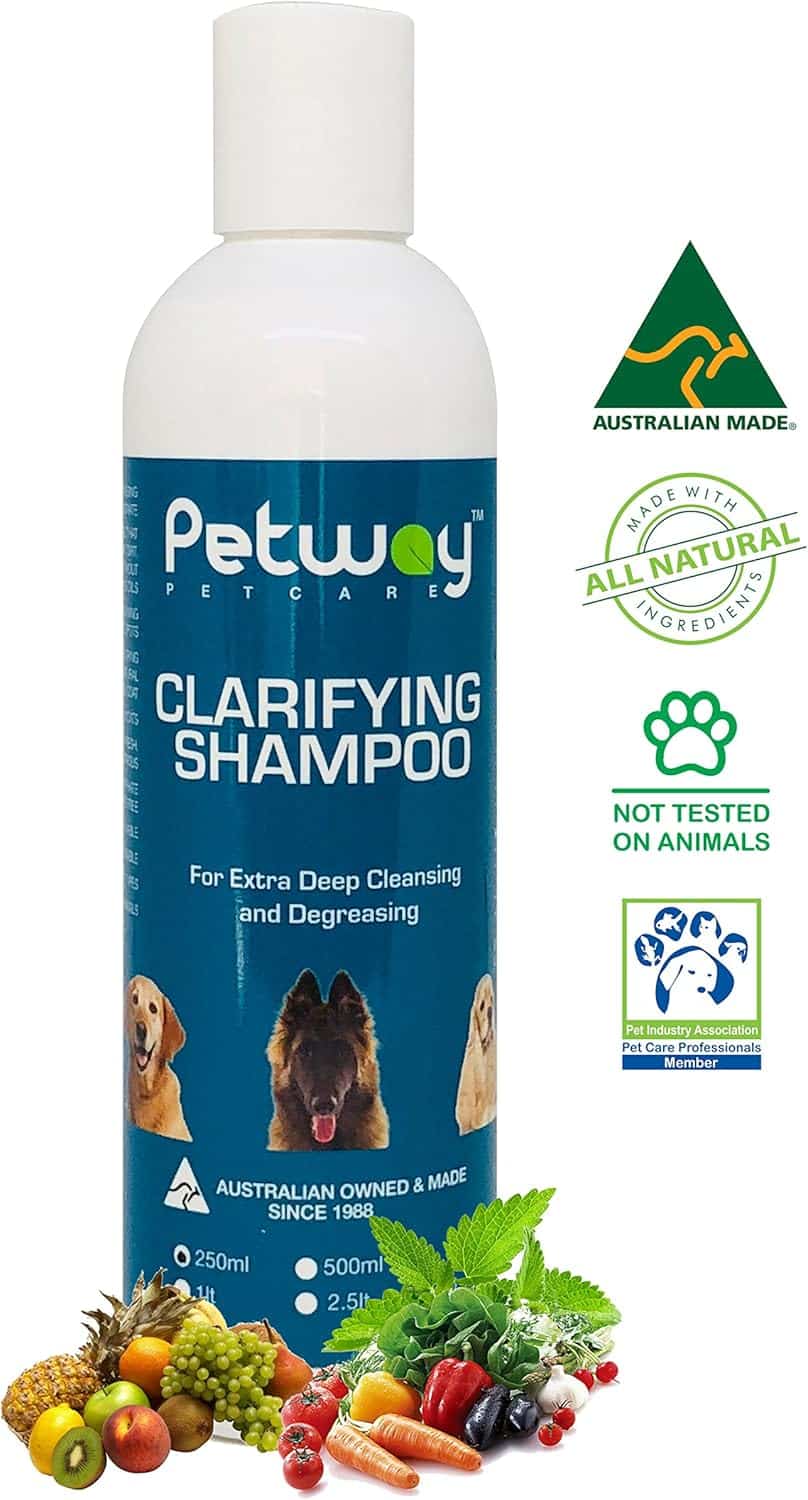
Deep Clean After Swimming
After swimming or heavy outdoor play, Petway Clarifying Shampoo ($25) removes chlorine, salt, dirt, and product build-up without stripping the coat. Essential for dogs who love the water.
Related Reading
Continue exploring our grooming guides:
- Maltipoo Grooming: Expert Coat Care Guide
- Newfypoo Grooming: Giant Coat Care Tips
- Saint Berdoodle Grooming: Giant Coat Care Tips
Ready to book a professional grooming session? Book your appointment or view our services.
Pingback: Doodle Heat Safety: Australian Tips