
Grooming Tips
When to Start Grooming a Puppy: The Complete Timeline

Jan

One of the most common questions we get from new puppy parents: “When should I start grooming?” The answer isn’t as simple as a single age. Different grooming activities should be introduced at different times.
Get the timing right, and you’ll have a dog who actually enjoys grooming. Get it wrong — either too early or too late — and you’re setting up years of stressful grooming sessions.
Here’s the timeline we recommend based on thousands of puppy grooms.
The Grooming Timeline Overview
| Age | Activity | Goal |
|---|---|---|
| 8-10 weeks | Gentle handling, touching paws/ears/face | Building comfort with being touched |
| 10-12 weeks | Introduction to brushing (soft brush) | Positive associations with grooming tools |
| 12-14 weeks | First bath at home, nail touches | Getting used to water, nail handling |
| 14-16 weeks | First professional puppy groom | Salon exposure, professional handling |
| 16+ weeks | Regular grooming routine established | Maintenance and skill building |
Weeks 8-10: Handling Foundation
Your puppy just came home. Before you even think about brushes, focus on handling. Every positive touch now pays dividends later.
What to Do
- Touch their paws daily — Hold each paw, spread the toes, touch the nails
- Handle their ears — Look inside, touch around the ear canal
- Touch their face — Around eyes, muzzle, lips, teeth
- Lift their tail — They need to be comfortable with this for sanitary trims
- Run hands over entire body — Get them used to being examined
The Key: Make It Positive
Every handling session should include treats. Touch paw → treat. Look in ear → treat. You’re building the association: “Being handled = good things happen.”
Weeks 10-12: Introducing the Brush
Now your puppy knows being touched is okay. Time to introduce the brush — but gently.
What to Do
- Start with a soft bristle brush or puppy brush — not a slicker yet
- Keep sessions short: 2-3 minutes max
- Focus on easy areas first: back, sides
- Avoid sensitive areas initially: face, feet, belly
- Lots of treats throughout
The Goal
You’re not trying to actually groom at this stage. You’re building positive associations. If your puppy wiggles away, that’s fine — try again tomorrow. Never force it.
For doodle puppies specifically, this is crucial. They’ll need daily brushing as adults (see our Cavoodle grooming guide or Labradoodle guide for details). Starting positive now makes that lifelong commitment much easier.
Weeks 12-14: Bath Time and Nail Introduction
By now your puppy should be comfortable with handling and basic brushing. Time to introduce water and nail handling.
First Bath Tips
- Use warm (not hot) water
- Choose a puppy-specific shampoo — adult formulas can be harsh
- Start with just the body — save the face for later sessions
- Dry thoroughly with towels (blow dryers can come later)
- Make it short and sweet — 5 minutes total
Nail Introduction
Don’t actually cut nails yet. Just:
- Touch the clippers to nails without cutting
- Make the clicking sound of clippers near them
- Hold each paw and handle individual nails
- Treat heavily throughout
The actual first nail trim can wait until the professional groom — they’ll do it safely and reinforce the positive experience.
Weeks 14-16: First Professional Groom
This is the magic window. Your puppy is old enough to have received vaccinations (important for salon safety) but young enough to still be in their prime socialisation period.
Why Professional First Grooms Matter
A good puppy groom is about experience, not appearance. Your puppy won’t come out looking like a show dog — and that’s fine. The goals are:
- Positive exposure to the salon environment (sounds, smells, other dogs)
- Experience with professional handling and tools
- Introduction to dryers, tables, and equipment
- Building trust with a groomer who isn’t you
What to Expect
A puppy intro groom typically includes:
- Bath and blow dry (short session)
- Nail trim
- Ear cleaning
- Light face trim
- Sanitary trim
- Overall brush-out
The session is shorter than adult grooms (30-45 minutes vs 1-2 hours) and focused on positive experience rather than perfect styling.
If you have a Cavoodle or other doodle, our Cavoodle Puppy Kit includes a voucher for a free first puppy groom — plus all the tools you need for home maintenance.
Common Mistakes to Avoid
1. Waiting Too Long
We see this constantly: puppy parent waits until 6 months for the first groom, and by then the coat is matted and the puppy has never been handled by a stranger. Result: stressful experience that creates lasting fear.
2. Starting Too Aggressive
Diving straight into slicker brushes and nail clippers at 8 weeks can create negative associations. Build up gradually.
3. Skipping Home Handling
Professional grooms can’t compensate for zero home preparation. If your puppy has never had their paws touched, a nail trim will be traumatic no matter how good the groomer is.
4. Choosing the Wrong Groomer
Not all groomers are good with puppies. Ask specifically about puppy experience and whether they offer “puppy intro” appointments. A groomer who rushes or doesn’t use positive reinforcement can undo all your careful preparation.
After the First Groom: Building the Routine
Once your puppy has had their first professional groom, establish a regular schedule:
At Home
- Daily brushing — Essential for curly/wavy coats, see our frequency guide
- Weekly ear checks — Look for redness, smell, or debris
- Monthly nail checks — Trim or file as needed
Professional Grooming
- Every 4-6 weeks for doodles and long-coated breeds
- Every 6-8 weeks for medium coats
- Every 8-12 weeks for short coats
Breed-Specific Notes
Doodles (Cavoodle, Labradoodle, Groodle, etc.)
Start early and stay consistent. Doodle coats change around 6-12 months (the “coat change” period) and mat easily during this time. Regular brushing and professional grooms through this period are essential.
Full guides: Cavoodle | Labradoodle | Groodle | Bernedoodle
Double-Coated Breeds (Golden Retrievers, Huskies)
Less frequent professional grooming needed, but introduce early anyway. They still need positive experiences with handling, bathing, and nail trims.
Short-Coated Breeds (Beagles, Boxers)
Easiest maintenance, but don’t skip early socialisation. These dogs still need to be comfortable with professional handling for vet visits and occasional grooming.
Final Tips for Success
- Treats are your best friend — Use high-value treats for grooming sessions
- Keep it short — Multiple 2-minute sessions beat one 20-minute struggle
- End on a positive — Stop before your puppy gets frustrated
- Be patient — You’re building a foundation for 10-15 years of grooming
Want more detail on daily maintenance for doodle puppies? Grab our free Doodle Coat Care Guide — it includes the exact techniques we teach new puppy parents.
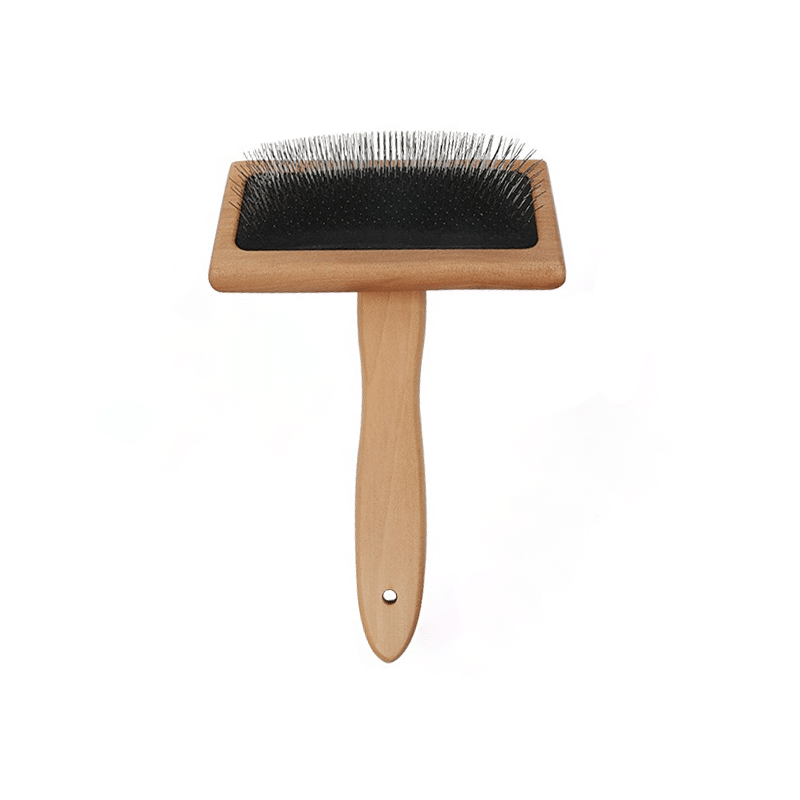
Gentle Brush for Puppies
For puppies and sensitive dogs, our Soft Puppy Brush ($14.95) is perfect for introducing young dogs to grooming. The gentle bristles won’t scratch delicate puppy skin, making brushing a positive experience from day one.
Related Reading
Continue exploring our grooming guides:
- Puppy Grooming Guide: Start Your Pup Right
- Poochon Grooming Guide: Expert Coat Care
- Irish Doodle Grooming Guide: Expert Coat Care
Ready to book a professional grooming session? Book your appointment or view our services.
Skip the Guesswork. Start With the Right Tools.
The Cavoodle Puppy Kit is everything Marine wishes new owners had from the start. The right brush for a doodle coat, salon-grade shampoo, and a voucher for their first professional groom. Three tiers: Essential ($69), Complete ($149), and Premium ($249).
See What’s in the Kit