
Training
Your Puppy’s First Groom: What to Expect and How to Prepare
Jan

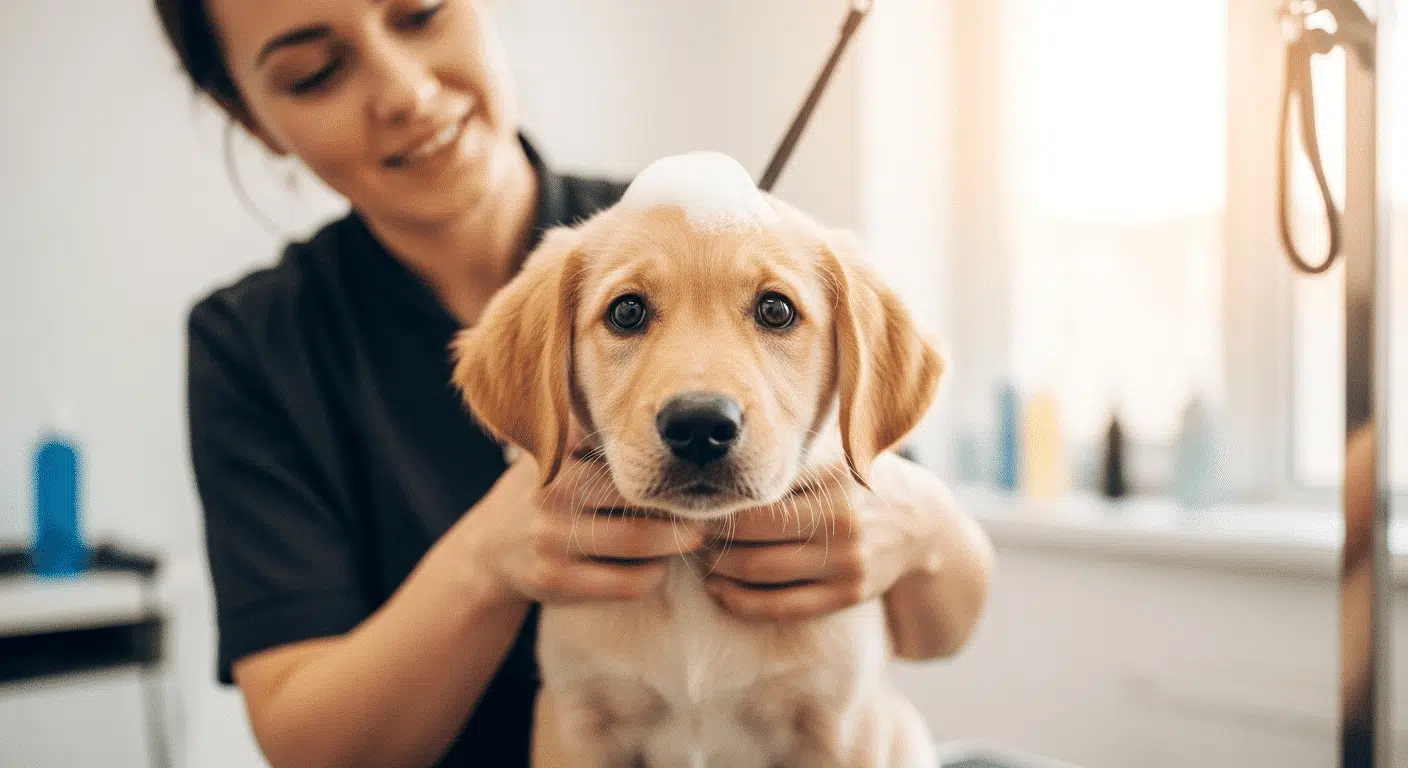
Your puppy’s first professional groom is a milestone — and like most milestones, a little preparation goes a long way. Done right, it sets the foundation for a lifetime of stress-free grooming. Done poorly, it can create lasting anxiety.
Here’s everything you need to know to make it a positive experience.
When to Book the First Groom
Ideal age: 14-16 weeks
This timing works because:
- Vaccinations are typically complete (safe to be around other dogs)
- Puppy is still in the critical socialisation window (more adaptable)
- Coat hasn’t matted yet (keeps the experience pain-free)
- Young enough to form positive associations
Don’t wait until 6 months. By then, many puppies have matted coats and no exposure to grooming — a recipe for a stressful first experience.
For the complete timeline of grooming introduction, see: When to Start Grooming a Puppy.
Before the Appointment: Home Preparation
The work starts weeks before the actual groom. Your puppy should already be comfortable with:
Being Handled
- Paws touched and held
- Ears examined
- Face touched (muzzle, around eyes)
- Tail lifted
- Being held still briefly
Basic Grooming Tools
- Brush touching their coat
- Sound of clippers (use an electric toothbrush to simulate)
- Water on their body (bath time)
Sounds
- Blow dryer noise (start from distance, gradually closer)
- Clipper sounds
- General salon noises (try YouTube videos)
Every handling session should include treats. You’re building the association: being groomed = good things happen.
Choosing the Right Groomer
Not all groomers are equally good with puppies. Look for:
- Puppy-specific appointments — Many salons offer “puppy intro” grooms designed for first-timers
- Positive reinforcement approach — Ask how they handle nervous puppies
- Experience with your breed — Doodle coats have specific needs
- Willingness to go slow — First grooms aren’t about perfect styling
- Clean, calm environment — Visit beforehand if possible
Ask: “What happens if my puppy gets stressed?” A good answer involves patience and positive methods, not force.
What Happens During a Puppy Groom
A puppy intro groom is different from an adult groom. Expect:
What’s Typically Included
- Bath — Usually a shorter soak than adult grooms
- Blow dry — On low setting, with breaks
- Brush out — Gentle, focusing on mats if any
- Nail trim — Just the tips
- Ear cleaning — Basic check and clean
- Sanitary trim — Trimming around potty areas
- Face tidy — Light trim around eyes
What’s Usually NOT Included
- Full haircut or styling
- Extended sessions
- Complex scissor work
The goal is experience, not appearance. Your puppy is learning that grooming is safe and okay. Style comes later.
Time
Puppy grooms are shorter: 30-45 minutes typically, versus 1-2+ hours for adult dogs. Less time = less overwhelming.
Day-of Tips
Before Drop-off
- Exercise first — A tired puppy is a calmer puppy. Take a walk or have a play session
- Don’t overfeed — Full belly + stress = upset stomach
- Bathroom break — Right before going in
- Stay calm yourself — Puppies pick up on your anxiety
At Drop-off
- Keep goodbyes brief — Long, emotional farewells signal something scary is happening
- Share important info — Any health issues, sensitive spots, or fears
- Be on time — Rushing adds stress
- Leave a contact number — In case they need to reach you
After the Groom
What to Expect
- Tired puppy — First grooms are exhausting. Expect lots of sleep
- Slightly different smell — New shampoo scent
- Cleaner but not transformed — Puppy grooms are subtle
- Possible mild stress — Normal after a new experience
What’s NOT Normal
Contact your groomer or vet if you notice:
- Cuts, nicks, or razor burn
- Extreme shaking or cowering lasting more than a few hours
- Skin irritation or rash
- Limping or sensitivity to touch
Reinforce the Positive
When you pick up your puppy:
- Stay calm and happy (not overly excited or worried)
- Give a treat for coming out
- Offer quiet praise
- Let them rest when you get home
Building the Grooming Routine
After the first groom, establish a regular schedule:
At Home
- Daily brushing — For doodles and long coats (see frequency guide)
- Weekly ear checks
- Paw and nail touches — Maintain comfort with handling
Professional Grooming
- Doodles: Every 4-6 weeks
- Long coats: Every 4-6 weeks
- Medium coats: Every 6-8 weeks
- Short coats: Every 8-12 weeks
Consistent scheduling prevents the coat from becoming overwhelming between grooms.
Breed-Specific Considerations
Doodles (Cavoodles, Labradoodles, Groodles)
Start early and stay consistent. The coat change period (6-12 months) is when many doodles develop matting issues. Regular grooming through this period is essential.
Our Cavoodle Puppy Kit includes tools for home maintenance plus a voucher for your puppy’s first groom.
Breed guides: Cavoodle | Labradoodle | Groodle
Long-Coated Breeds
Introduce brushing early to prevent mat phobia. These coats need regular attention from day one.
Short-Coated Breeds
Easier maintenance, but still benefit from early grooming exposure for future vet visits and occasional professional care.
Common First-Groom Concerns
“My puppy seemed scared”
Some nervousness is normal — it’s a lot of new experiences. What matters is how the groomer handles it and whether subsequent grooms improve. Consistent positive experiences build confidence.
“They didn’t do much”
That’s intentional. Puppy grooms prioritise positive experience over transformation. The fancy haircuts come later, once your puppy is comfortable.
“Should I stay during the groom?”
Usually not. Most puppies do better without their owners present — they look to you for rescue cues, which can increase anxiety. Trust your groomer.
“When do they get a ‘real’ haircut?”
After 2-3 intro grooms, most puppies are ready for more styling. This is usually around 5-6 months, depending on the individual dog.
The Bottom Line
Your puppy’s first groom is about building a foundation, not achieving a perfect look. With proper preparation and the right groomer, you’re setting your pup up for a lifetime of easy grooming experiences.
The effort you put in now — handling practice, positive associations, gradual exposure — pays off for the next 10-15 years.
Want the complete guide to raising a well-groomed doodle? Our free Doodle Coat Care Guide covers everything from first brush to adult maintenance.
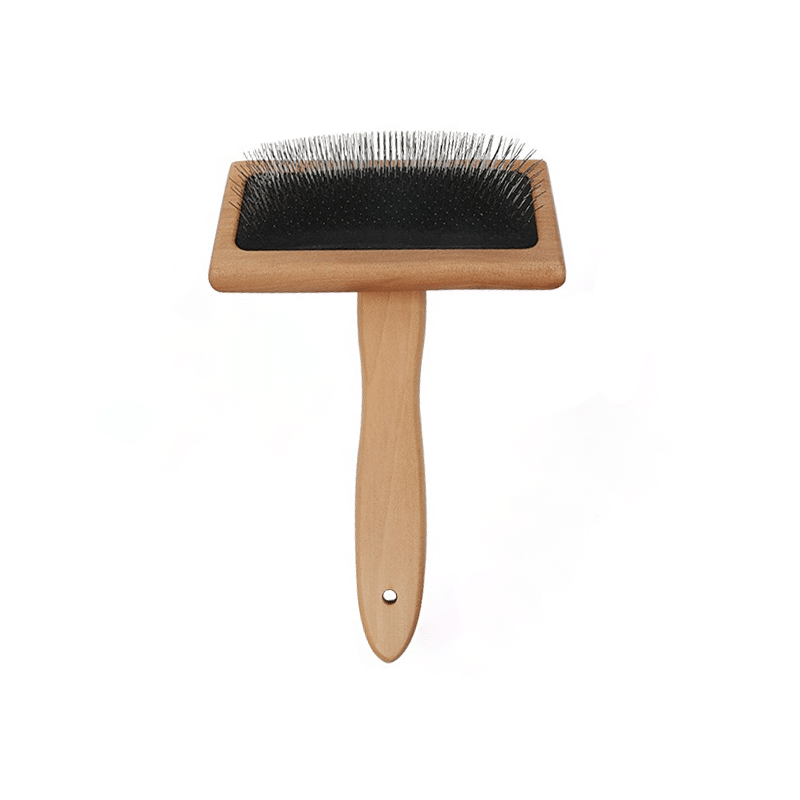
Gentle Brush for Puppies
For puppies and sensitive dogs, our Soft Puppy Brush ($14.95) is perfect for introducing young dogs to grooming. The gentle bristles won’t scratch delicate puppy skin, making brushing a positive experience from day one.
Related Reading
Continue exploring our grooming guides:
- Doodle Puppy First Groom: What to Expect
- Doodle Tear Stains: Causes and Solutions
- Doodle Matting: Prevention and Treatment Guide
Ready to book a professional grooming session? Book your appointment or view our services.
Skip the Guesswork. Start With the Right Tools.
The Cavoodle Puppy Kit is everything Marine wishes new owners had from the start. The right brush for a doodle coat, salon-grade shampoo, and a voucher for their first professional groom. Three tiers: Essential ($69), Complete ($149), and Premium ($249).
See What’s in the Kit
Pingback: Doodle Puppy First Groom: What to Expect