
Health & Wellness
7 Signs Your Dog’s Coat Is Unhealthy (And What to Do About It)
Jan
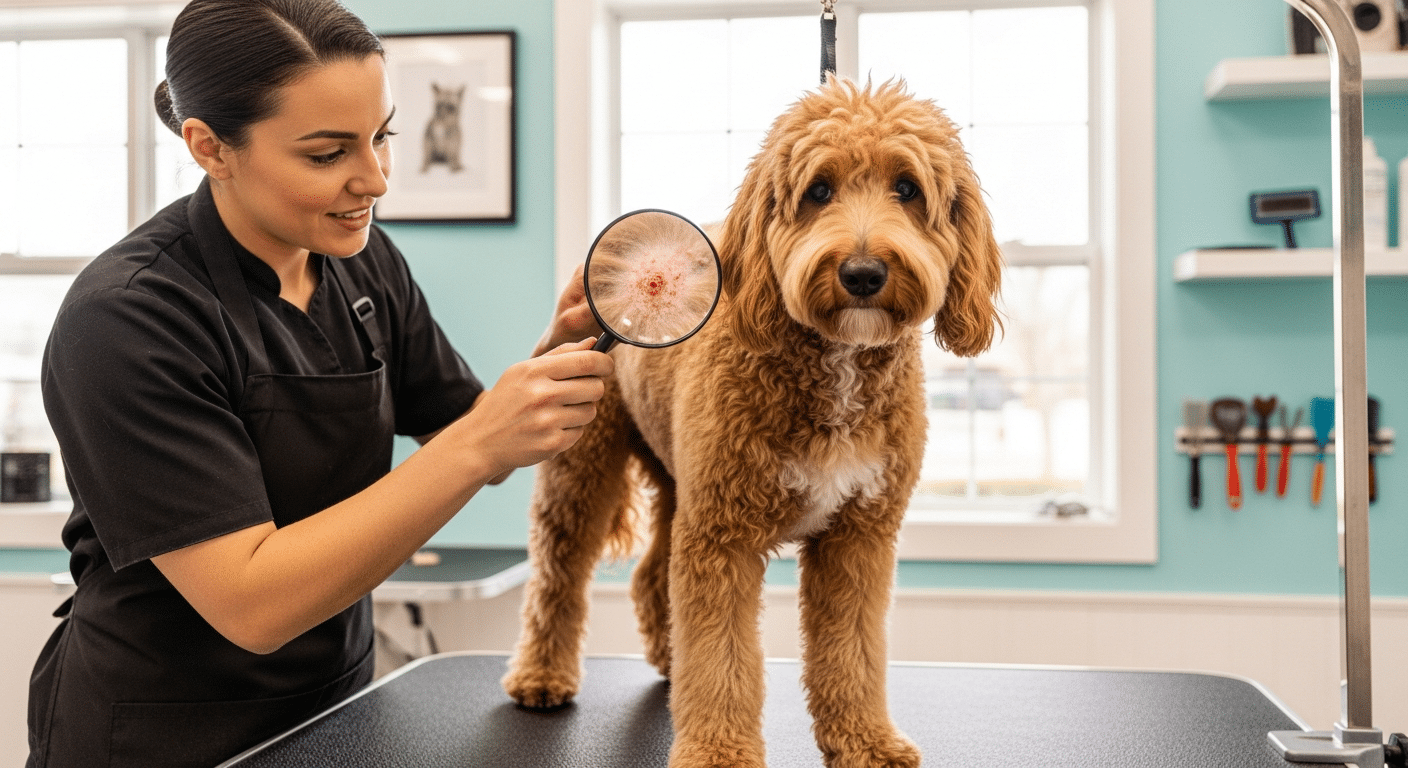
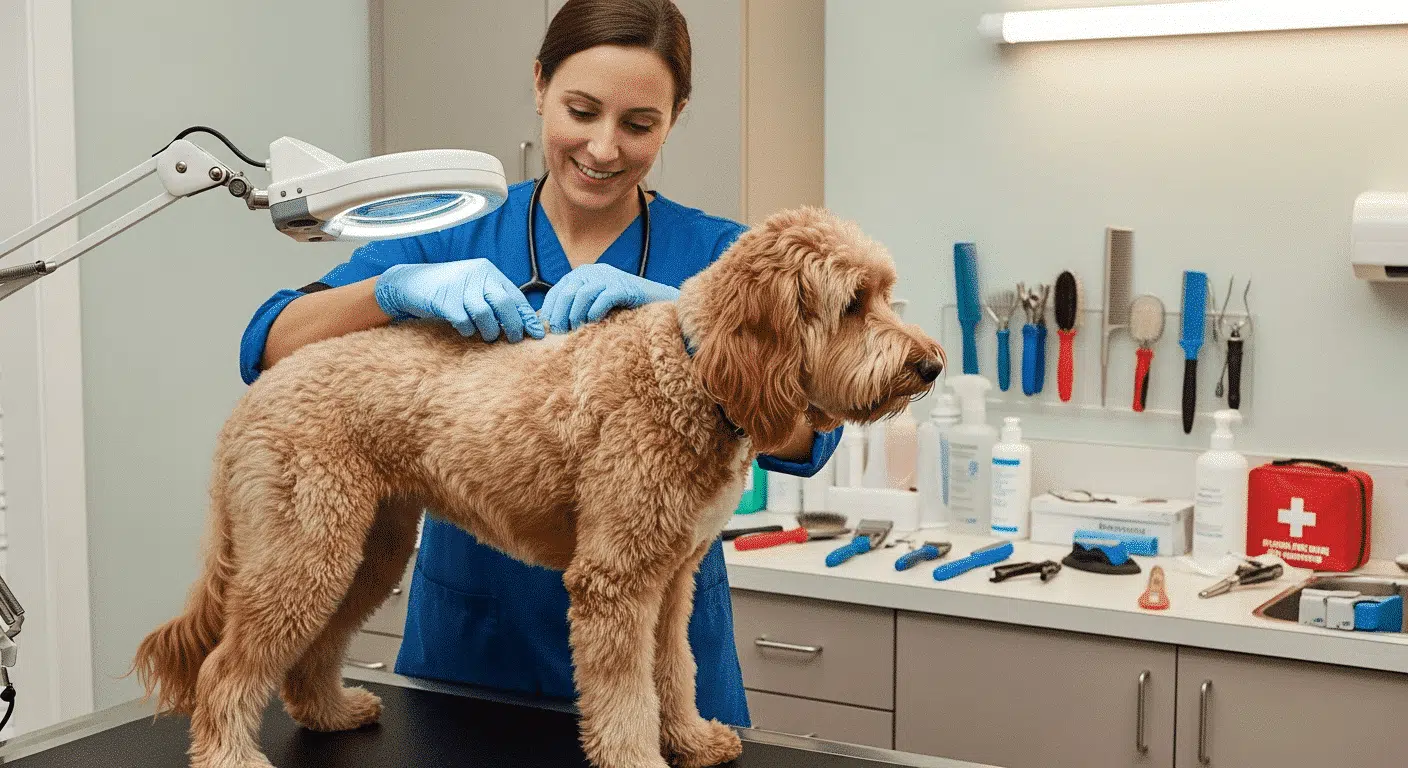
As groomers, we can often tell how healthy a dog is just by touching their coat. A healthy coat is shiny, smooth, and resilient. An unhealthy coat tells a different story — one that pet parents should pay attention to.
Here are the warning signs we look for and what they might mean for your dog.
1. Dull, Lacklustre Appearance
What it looks like: Coat has no shine, even when clean and dry. Looks flat and lifeless.
Possible causes:
- Nutritional deficiency (especially omega fatty acids)
- Dehydration
- Poor diet quality
- Not enough brushing (oils aren’t being distributed)
What to do: Start with nutrition. Add omega-3 supplements or fish-based treats. Increase brushing frequency. See our guide: Foods That Make Dog Coats Shiny.
2. Dry, Brittle Fur
What it looks like: Fur feels rough, straw-like, or breaks easily when handled. May have split ends.
Possible causes:
- Insufficient dietary fat
- Over-bathing (stripping natural oils)
- Harsh shampoos
- Environmental factors (dry air, sun exposure)
What to do: Review bathing frequency — most dogs only need baths every 4-6 weeks. Switch to moisturising shampoo. Add fish oil to diet. Read more: How Diet Affects Skin and Coat.
3. Excessive Shedding
What it looks like: Hair coming out in clumps, constant shedding beyond normal seasonal coat blow, hair everywhere despite regular brushing.
Possible causes:
- Stress
- Hormonal imbalance (thyroid issues)
- Allergies
- Poor nutrition
- Parasites (fleas, mites)
What to do: If sudden or severe, see your vet to rule out medical issues. For mild cases, improve diet quality and ensure regular brushing. For double-coated breeds, use a deshedding tool during shedding season.
4. Dandruff and Flaking
What it looks like: White flakes in the coat, visible when brushing or on dark furniture. Skin feels dry to touch.
Possible causes:
- Dry skin (environmental or dietary)
- Allergies
- Fungal infection
- Parasites
- Infrequent brushing
What to do: Increase omega-3 intake, use a humidifier in dry seasons, brush regularly to stimulate oil production. Persistent dandruff warrants a vet visit to rule out infections.
5. Bald Patches or Thinning
What it looks like: Areas with noticeably less fur or complete hair loss. May be symmetrical or random.
Possible causes:
- Allergies (often causes scratching-induced hair loss)
- Hormonal issues (Cushing’s, hypothyroidism)
- Ringworm or other infections
- Mites or fleas
- Stress-related over-grooming
What to do: See your vet. Bald patches usually indicate a medical issue that needs diagnosis. Don’t wait — some causes (like ringworm) are contagious.
6. Greasy, Oily Coat
What it looks like: Coat feels slick or waxy, may smell musty even when recently bathed. Hair clumps together.
Possible causes:
- Seborrhea (overactive oil glands)
- Yeast infection
- Hormonal imbalance
- Allergies
What to do: Vet visit recommended. Seborrhea needs proper diagnosis. In the meantime, more frequent bathing with appropriate shampoo can help manage symptoms.
7. Colour Changes
What it looks like: Coat fading, turning reddish or rusty (especially in black dogs), or developing unusual tints.
Possible causes:
- Sun exposure (bleaching)
- Nutritional deficiency (copper, zinc)
- Saliva staining from excessive licking
- Ageing (normal greying)
What to do: If not age-related, review diet quality. Limit sun exposure for dark-coated dogs. If caused by licking, address the underlying reason for the licking behaviour.
The Quick Coat Health Check
Use this quick check during your regular brushing sessions:
| Healthy Coat | Unhealthy Coat |
|---|---|
| Shiny, reflects light | Dull, flat appearance |
| Smooth, soft texture | Rough, brittle, or coarse |
| Clean smell (or no smell) | Musty, yeasty, or strong odour |
| Skin is pink and supple | Skin is red, flaky, or oily |
| Even coverage | Bald spots or thinning |
| Minimal shedding (breed appropriate) | Excessive hair loss |
When to See a Vet
Some coat issues are cosmetic and easily fixed with diet and grooming. Others need medical attention. See your vet if:
- Hair loss is sudden, severe, or in patches
- Skin is red, inflamed, or has sores
- Dog is constantly scratching, licking, or biting
- Coat changes accompany other symptoms (lethargy, weight changes, increased thirst)
- Home interventions don’t help after 8-12 weeks
How to Improve Coat Health
For most mild coat issues, these interventions help:
1. Improve Nutrition
Add omega-3 fatty acids, ensure quality protein, consider supplements. See: Best Treats for Coat Health.
2. Brush Regularly
Regular brushing distributes oils, removes dead fur, and stimulates the skin. Find your ideal frequency.
3. Bathe Appropriately
Not too often (strips oils) but often enough (removes allergens). Every 4-6 weeks for most dogs.
4. See a Professional Groomer
Regular professional grooming keeps coats in optimal condition. Groomers also spot problems early.
For breed-specific coat care, check our guides: Cavoodle | Labradoodle | Groodle | Poodle
The Bottom Line
Your dog’s coat is a window into their overall health. Pay attention to changes — they’re often the first sign that something needs addressing. Most coat issues respond well to improved nutrition and grooming, but don’t ignore persistent problems.
Want a complete coat care routine? Our free Doodle Coat Care Guide covers daily maintenance, nutrition, and what to watch for.
Related Reading
Continue exploring our grooming guides:
- Winter Coat Care: Protecting Your Dog’s Skin and Fur in Cold Weather
- 7 Signs Your Dog Needs Professional Training
- Maltipoo Grooming: Expert Coat Care Guide
Ready to book a professional grooming session? Book your appointment or view our services.
Pingback: Spring Shedding: Prep Before Blowout